
Help employees and managers build a more positive work culture that strengthens relationships, customer service and everyday well-being on the job.

Most people spend more time working than on household and leisure activities combined. That makes the tone of the workplace a big part of daily life. Negative or toxic environments wear on morale, strain working relationships and show up in the service customers receive. This course is for employees at every level who want work to feel less like an obstacle. The program opens with self-reflection, asking viewers to consider how they approach their work each day. It then explains how a positive workplace culture is built and the benefits it brings, from stronger relationships to better service and personal well-being. Viewers also think about their own role in shaping the culture around them and identify practical next steps to take. The video runs about 11 minutes in English, with Spanish and French closed captions.
Workplace positivity training suits employees at every level, from frontline staff to managers. It helps most on teams dealing with low morale, friction between coworkers or customer complaints. Supervisors benefit because their attitude often sets the tone for a whole crew, and new hires get a clear picture of expected behavior.
A positive workplace culture matters because people spend a large share of their lives at work. Positive cultures support better relationships among coworkers, more consistent customer service and stronger personal well-being. Negative or toxic environments do the opposite, adding stress and straining the relationships teams depend on.
Employees can build a positive workplace culture by starting with honest self-reflection about how they approach their work. Small, steady habits help from there, such as recognizing coworkers' efforts, offering help and keeping feedback constructive. Every person's attitude shapes the overall culture, not just management's decisions.
No federal law requires workplace positivity training. Employers use it voluntarily as part of culture, engagement or customer service programs. It pairs well with respectful workplace and communication training, and with harassment prevention training, which some states do require for many employers.
Yes, a positive attitude at work tends to improve customer service. Employees who feel good about their workplace bring more patience and care to customer interactions. Avoiding a toxic environment also reduces the frustration and stress that can spill over onto customers and hurt service quality.
Schedule a demo with one of our reps
Our extensive Learning Management System allows you to dispatch knowledge and required certificates to teams across your site portfolio.
Our platform caters to all learning styles and scenarios, ensuring effective knowledge retention.
Take control of the learning experience with our configurable class structure. Tailor the training journey to match your organizational needs.
Deliver targeted safety training regimens at every level, putting safety directly into the hands of your workforce.


Deliver more than 400 online safety courses as well as your own training with the SafetyAmp learning management system.
Easily enroll employees into training courses, whether they're in a classroom or taken online - then visualize training history and compliance across multiple locations.
SCORM-compatible
Library of 400+ courses from partner training providers
Create online training courses
Quickly view employee training history
Schedule classroom training sessions
Manage training renewals
Eliminate lost certificates
Built-in reports for training compliance

Other Courses

Build confidence for critical moments through clear Hot Work Safety: Welding, Cutting, and Brazing instruction on frequent hazards associated with welding, cutting, and brazing.

Make workplace requirements clearer. Get a practical overview of spaces using OSHA’s three-pillar criteria for bodily entry in Confined Spaces: Acceptable Entry Conditions.
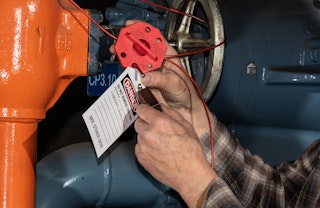
Give maintenance workers a clear six-step lockout/tagout routine, from identifying hazardous energy to verifying isolation before any work begins.


Made in the U.S.A.
© Copyright 2026