
Help workers who handle benzene understand ppm measurements, exposure limits and practical steps to reduce their exposure to this toxic chemical.
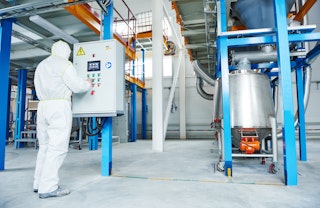
This comprehensive safety training program covers the critical hazards and proper handling procedures for working with benzene, a highly toxic chemical substance. Healthcare workers, laboratory personnel, and industrial workers will learn how benzene exposure occurs, the concept of dose-response relationships, and how to interpret parts per million (PPM) measurements to assess toxicity levels. The course explains the serious health effects of benzene exposure at various concentration levels, from acute symptoms to long-term health consequences. Participants will understand workplace safety protocols for benzene handling, including proper selection and use of personal protective equipment, engineering controls, and administrative measures to minimize exposure risk. Topics include exposure monitoring techniques, safe work practices around benzene-containing materials, emergency response procedures for spills or exposures, and compliance with OSHA's benzene standard. This training equips workers with the knowledge to recognize benzene hazards, protect themselves through appropriate PPE and safe handling practices, and respond effectively to exposure incidents in laboratory, healthcare, and industrial environments.
Workers who handle benzene or benzene-containing products need benzene safety training. That includes petroleum refinery and petrochemical workers, chemical manufacturing staff, fuel terminal and tank cleaning crews, and laboratory employees. The 15-minute English video explains measuring exposure in parts per million, exposure limits and ways to reduce exposure.
OSHA regulates benzene in general industry under 29 CFR 1910.1028. The benzene standard sets a permissible exposure limit of 1 ppm as an 8-hour average and a 5 ppm short-term limit over 15 minutes. It also requires exposure monitoring, medical surveillance and training tied to a 0.5 ppm action level.
Benzene is a known human carcinogen linked to leukemia. Long-term exposure damages bone marrow and can cause anemia and other blood disorders. Short-term exposure to high concentrations causes dizziness, headache, drowsiness and confusion. Benzene enters the body mainly through inhalation, with some absorption through the skin.
Benzene training is required when a worker first starts in an area where benzene is present. Under 29 CFR 1910.1028, employees exposed above the action level must then receive training at least annually. Training covers benzene hazards, the medical surveillance program and the controls and PPE used on site.
Workers reduce benzene exposure first through engineering controls such as closed systems, local exhaust ventilation and vapor recovery. Good work practices include keeping containers closed and avoiding skin contact. When controls cannot keep levels below limits, workers need properly selected respirators and chemical-resistant gloves and clothing.
Schedule a demo with one of our reps
Our extensive Learning Management System allows you to dispatch knowledge and required certificates to teams across your site portfolio.
Our platform caters to all learning styles and scenarios, ensuring effective knowledge retention.
Take control of the learning experience with our configurable class structure. Tailor the training journey to match your organizational needs.
Deliver targeted safety training regimens at every level, putting safety directly into the hands of your workforce.


Deliver more than 400 online safety courses as well as your own training with the SafetyAmp learning management system.
Easily enroll employees into training courses, whether they're in a classroom or taken online - then visualize training history and compliance across multiple locations.
SCORM-compatible
Library of 400+ courses from partner training providers
Create online training courses
Quickly view employee training history
Schedule classroom training sessions
Manage training renewals
Eliminate lost certificates
Built-in reports for training compliance

Other Courses

Build confidence for critical moments through clear Hot Work Safety: Welding, Cutting, and Brazing instruction on frequent hazards associated with welding, cutting, and brazing.

Make workplace requirements clearer. Get a practical overview of spaces using OSHA’s three-pillar criteria for bodily entry in Confined Spaces: Acceptable Entry Conditions.
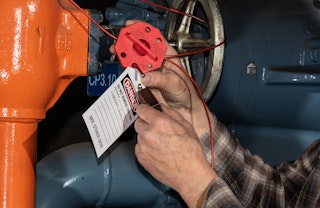
Give maintenance workers a clear six-step lockout/tagout routine, from identifying hazardous energy to verifying isolation before any work begins.


Made in the U.S.A.
© Copyright 2026