
Prepare employees who drive for work to handle snow and ice, from vehicle prep and visibility to braking, skid recovery and winter survival gear.
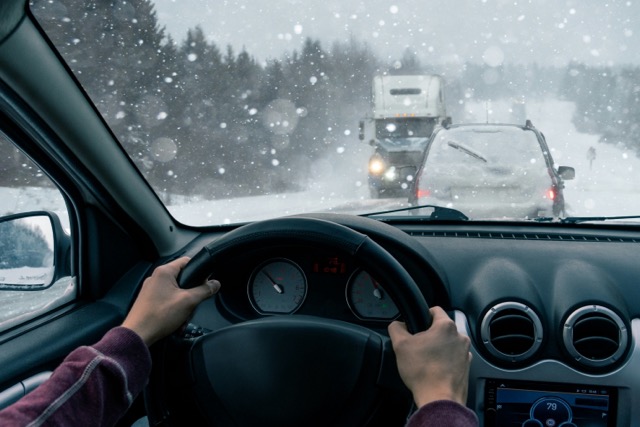
Snow, ice and short daylight hours change how a vehicle handles and shrink a driver's margin for error. Habits that work in summer can cause crashes in winter. This course is for employees who drive company or personal vehicles for work in cold-weather regions. The program follows a driver named Larry through a series of winter driving mistakes, giving viewers clear examples of what not to do. It also includes an interview with a woman whose life changed after a fatal winter crash. Topics include preparing a vehicle for winter, building extra time into schedules, and keeping windows, mirrors and lights clear. Viewers learn techniques for intersections, cornering, braking, slowing down and controlling a skid. The course ends with winter survival supplies and techniques for drivers who get stranded. The video runs about 15 minutes and is available in English.
Winter driving safety training suits anyone who drives for work in snow or ice country. That includes delivery drivers, sales and service technicians, fleet operators and commuting employees. The 15-minute English video follows a driver making common winter mistakes and includes an interview with a survivor of a fatal winter crash.
Preparing a vehicle for winter driving starts before the first storm. Check tire tread and pressure, test the battery, top off antifreeze and winter washer fluid, and replace worn wiper blades. Make sure lights, defroster and heater work, and clear snow and ice from every window before driving.
A winter car emergency kit should include blankets or extra warm clothing and a flashlight with spare batteries. Pack an ice scraper, a small shovel, and sand or kitty litter for traction. Add jumper cables, water, snacks and a phone charger. If stranded, stay with the vehicle and keep the exhaust pipe clear.
To control a skid on an icy road, ease off the accelerator and avoid slamming the brakes. Steer gently toward where you want the vehicle to go. With anti-lock brakes, apply firm, steady pressure and let the system pulse. Small, smooth inputs work better than sudden corrections.
Drivers on slick winter roads should slow down, leave much more following distance, and brake and turn gently. Expect ice at intersections, curves, bridges and shaded spots. Allow extra travel time or delay the trip, so schedule pressure does not push anyone to drive too fast for conditions.
Schedule a demo with one of our reps
Our extensive Learning Management System allows you to dispatch knowledge and required certificates to teams across your site portfolio.
Our platform caters to all learning styles and scenarios, ensuring effective knowledge retention.
Take control of the learning experience with our configurable class structure. Tailor the training journey to match your organizational needs.
Deliver targeted safety training regimens at every level, putting safety directly into the hands of your workforce.


Deliver more than 400 online safety courses as well as your own training with the SafetyAmp learning management system.
Easily enroll employees into training courses, whether they're in a classroom or taken online - then visualize training history and compliance across multiple locations.
SCORM-compatible
Library of 400+ courses from partner training providers
Create online training courses
Quickly view employee training history
Schedule classroom training sessions
Manage training renewals
Eliminate lost certificates
Built-in reports for training compliance

Other Courses

Build confidence for critical moments through clear Hot Work Safety: Welding, Cutting, and Brazing instruction on frequent hazards associated with welding, cutting, and brazing.

Make workplace requirements clearer. Get a practical overview of spaces using OSHA’s three-pillar criteria for bodily entry in Confined Spaces: Acceptable Entry Conditions.

Give maintenance workers a clear six-step lockout/tagout routine, from identifying hazardous energy to verifying isolation before any work begins.


Made in the U.S.A.
© Copyright 2026