
Teach Canadian workers to read WHMIS hazard classes, label pictograms and signal words, and 16-section safety data sheets for the chemicals they handle.
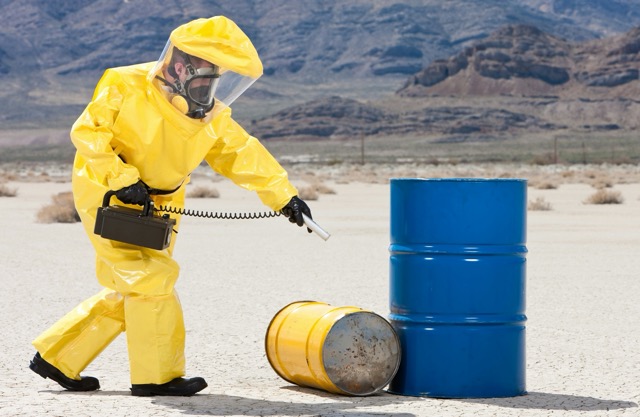
The Workplace Hazardous Materials Information System (WHMIS) is Canada's national hazard communication standard designed to protect workers who handle or are exposed to hazardous materials. Aligned with the Globally Harmonized System (GHS), WHMIS ensures quality and consistency in how chemicals are classified and labeled, helping employees quickly understand critical safety information about workplace hazards. This comprehensive training program covers the three essential elements of WHMIS: hazard classification systems, container labeling requirements, and Safety Data Sheets (SDS). Participants will learn to recognize physical and health hazard classes, interpret pictograms and signal words on labels, understand what information appears on container labels and why it matters, and navigate all 16 sections of a Safety Data Sheet to find crucial safety information. The course explains how WHMIS integrates with the GHS to provide a unified approach to chemical safety, ensuring employees can work safely with hazardous materials while maintaining compliance with Canadian regulations. This training is essential for any worker who may encounter hazardous products in their workplace.
WHMIS training is needed by Canadian workers who use, store, handle or may be exposed to hazardous products at work, plus their supervisors. That includes manufacturing, warehouse, maintenance, cleaning, laboratory and shipping staff. The 25-minute English video covers GHS-aligned hazard classes, container labels and Safety Data Sheets.
WHMIS duties come from both federal and provincial law. The federal Hazardous Products Act and Hazardous Products Regulations set supplier labeling and Safety Data Sheet rules. Employer duties, including worker education, come from the Canada Labour Code for federal workplaces and from provincial or territorial health and safety laws.
The GHS is the United Nations' Globally Harmonized System for classifying chemicals and communicating their hazards. WHMIS is Canada's national hazard communication system, which adopted GHS classification criteria, pictograms, signal words and the 16-section Safety Data Sheet format. WHMIS adds Canadian rules such as workplace labels and worker education.
A WHMIS supplier label must show the product identifier, hazard pictograms and a signal word such as Danger or Warning. It also lists hazard statements, precautionary statements and the supplier identifier. Supplier labels must be in English and French. Simpler workplace labels are used for decanted products and must point workers to the Safety Data Sheet.
WHMIS retraining frequency is set by each province or territory rather than by one national rule. Many jurisdictions require employers to review the worker education program at least once a year. Workers also need added training when new hazardous products arrive or when hazard information changes.
Schedule a demo with one of our reps
Our extensive Learning Management System allows you to dispatch knowledge and required certificates to teams across your site portfolio.
Our platform caters to all learning styles and scenarios, ensuring effective knowledge retention.
Take control of the learning experience with our configurable class structure. Tailor the training journey to match your organizational needs.
Deliver targeted safety training regimens at every level, putting safety directly into the hands of your workforce.


Deliver more than 400 online safety courses as well as your own training with the SafetyAmp learning management system.
Easily enroll employees into training courses, whether they're in a classroom or taken online - then visualize training history and compliance across multiple locations.
SCORM-compatible
Library of 400+ courses from partner training providers
Create online training courses
Quickly view employee training history
Schedule classroom training sessions
Manage training renewals
Eliminate lost certificates
Built-in reports for training compliance

Other Courses

Build confidence for critical moments through clear Hot Work Safety: Welding, Cutting, and Brazing instruction on frequent hazards associated with welding, cutting, and brazing.

Make workplace requirements clearer. Get a practical overview of spaces using OSHA’s three-pillar criteria for bodily entry in Confined Spaces: Acceptable Entry Conditions.
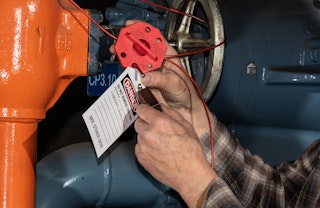
Give maintenance workers a clear six-step lockout/tagout routine, from identifying hazardous energy to verifying isolation before any work begins.


Made in the U.S.A.
© Copyright 2026