
Build confidence for critical moments. Get a practical overview of Enhance safety knowledge, protocols and precautions for plant workers in Water and Sewer Treatment Plant Safety.
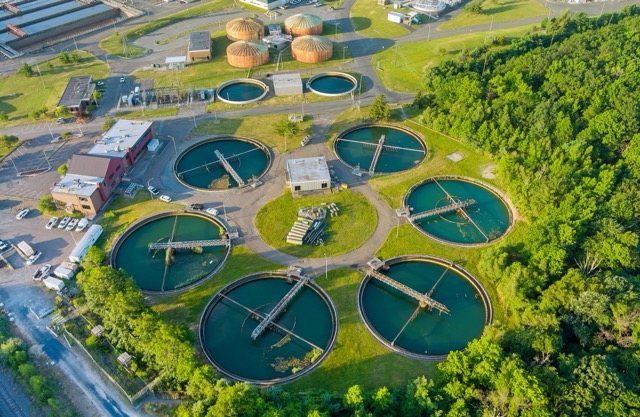
Workers can use Water and Sewer Treatment Plant Safety to strengthen the knowledge and judgment needed on the job. Key outcomes include the ability to describe safety knowledge, carry out correct procedures, and describe emergency preparedness. The material also helps learners carry out applicable expectations and recommended practices. Practical examples connect the subject to routine tasks, expected procedures, and decisions employees may need to make on the job. Learners finish with a clearer understanding of what to look for, how to respond, and when to raise a concern or seek additional guidance.
Operators, maintenance mechanics, laboratory staff and contractors at drinking water and wastewater treatment plants need treatment plant safety training. These workers deal with pumps, electrical equipment, chemicals and confined spaces daily. The 13-minute English video covers housekeeping, maintenance, forklifts, confined spaces, noise and chemicals.
Several OSHA standards apply to water and wastewater treatment plants. Key ones include permit-required confined spaces (29 CFR 1910.146), lockout/tagout (1910.147), powered industrial trucks (1910.178), occupational noise (1910.95) and Hazard Communication (1910.1200). Each of these standards carries its own training requirements for plant staff.
The biggest hazards at a wastewater treatment plant include toxic or oxygen-deficient atmospheres in confined spaces, hazardous chemicals and electrical equipment. Workers also face rotating pumps, slippery walkways, open tanks, forklift traffic and high noise. Contact with raw sewage adds infection risk, so good hygiene matters too.
Federal OSHA does not cover state and local government employees, including most municipal treatment plant workers. However, states with OSHA-approved State Plans must protect public employees, and some State Plans cover only public-sector workers. Privately operated water and wastewater plants fall under federal OSHA or the State Plan directly.
Treatment plant workers prevent chemical exposures by reading labels and safety data sheets before handling chlorine, caustics or polymers. They should wear the specified PPE, keep incompatible chemicals apart, and know where eyewash stations and showers are. Leaks should be reported immediately and handled only by trained responders.
Schedule a demo with one of our reps
Our extensive Learning Management System allows you to dispatch knowledge and required certificates to teams across your site portfolio.
Our platform caters to all learning styles and scenarios, ensuring effective knowledge retention.
Take control of the learning experience with our configurable class structure. Tailor the training journey to match your organizational needs.
Deliver targeted safety training regimens at every level, putting safety directly into the hands of your workforce.


Deliver more than 400 online safety courses as well as your own training with the SafetyAmp learning management system.
Easily enroll employees into training courses, whether they're in a classroom or taken online - then visualize training history and compliance across multiple locations.
SCORM-compatible
Library of 400+ courses from partner training providers
Create online training courses
Quickly view employee training history
Schedule classroom training sessions
Manage training renewals
Eliminate lost certificates
Built-in reports for training compliance

Other Courses

Build confidence for critical moments through clear Hot Work Safety: Welding, Cutting, and Brazing instruction on frequent hazards associated with welding, cutting, and brazing.

Make workplace requirements clearer. Get a practical overview of spaces using OSHA’s three-pillar criteria for bodily entry in Confined Spaces: Acceptable Entry Conditions.
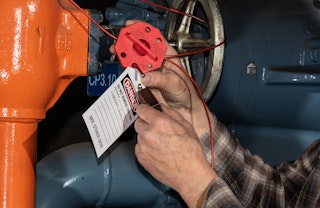
Give maintenance workers a clear six-step lockout/tagout routine, from identifying hazardous energy to verifying isolation before any work begins.


Made in the U.S.A.
© Copyright 2026