
Help employees who walk outdoors in winter understand why icy surfaces cause serious falls and use safer walking techniques on snow and ice.
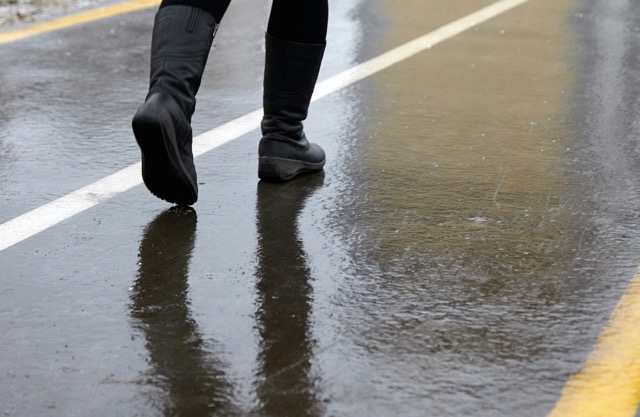
Walking on ice and snow is one of the most dangerous everyday activities during winter months, causing thousands of serious injuries and deaths each year. Even a small patch of ice can become deadly if proper precautions aren't taken. This essential safety training, presented by EMT and firefighter Martin Lesperance, provides life-saving information on how to stay safe when walking on icy and snowy surfaces. Participants will learn why icy surfaces are so dangerous and how common injuries occur, including head trauma from falls on concrete, dislocated hips and shoulders, and broken ankles. The course covers proper footwear selection and the use of traction devices, safe walking techniques specific to winter conditions, how to maintain balance on slippery surfaces, and emergency procedures if a fall occurs. Through practical demonstrations and expert guidance, employees will gain the knowledge and skills needed to navigate winter weather safely, whether walking to and from their vehicles, around work sites, or during their daily routines. This training could prevent life-changing injuries and ensure employees make it home safely during the winter season.
Training on walking safely in icy conditions fits any employee who crosses parking lots, sidewalks, loading areas or outdoor work sites in winter. Delivery drivers, utility crews, security staff and commuters face the most exposure. The 15-minute video, presented by an EMT and firefighter, is available in English and Spanish.
To walk on ice without falling, take short, flat-footed steps and keep your weight centered over your feet. Walk slowly, keep hands out of pockets for balance, and avoid carrying loads that block your view. Use handrails, and test slick-looking spots before putting your full weight down.
Ice cleats and slip-on traction devices greatly improve grip on packed snow and ice, though no footwear removes slip risk entirely. Pair them with insulated boots that have deep, flexible tread. Take cleats off before walking on smooth indoor floors, where the metal studs can become slippery.
A fall on ice can be very serious. Striking the head on concrete can be fatal, and icy slips also cause broken wrists and ankles, dislocated hips and shoulders, and back injuries. Hurrying or carrying items makes an uncontrolled fall more likely.
If you start to fall on ice, try to land on your side rather than backward, and tuck your chin to protect your head. Relax and roll with the fall instead of bracing on a straight arm. Afterward, check yourself for injuries before standing, and report the fall.
Schedule a demo with one of our reps
Our extensive Learning Management System allows you to dispatch knowledge and required certificates to teams across your site portfolio.
Our platform caters to all learning styles and scenarios, ensuring effective knowledge retention.
Take control of the learning experience with our configurable class structure. Tailor the training journey to match your organizational needs.
Deliver targeted safety training regimens at every level, putting safety directly into the hands of your workforce.


Deliver more than 400 online safety courses as well as your own training with the SafetyAmp learning management system.
Easily enroll employees into training courses, whether they're in a classroom or taken online - then visualize training history and compliance across multiple locations.
SCORM-compatible
Library of 400+ courses from partner training providers
Create online training courses
Quickly view employee training history
Schedule classroom training sessions
Manage training renewals
Eliminate lost certificates
Built-in reports for training compliance

Other Courses

Build confidence for critical moments through clear Hot Work Safety: Welding, Cutting, and Brazing instruction on frequent hazards associated with welding, cutting, and brazing.

Make workplace requirements clearer. Get a practical overview of spaces using OSHA’s three-pillar criteria for bodily entry in Confined Spaces: Acceptable Entry Conditions.
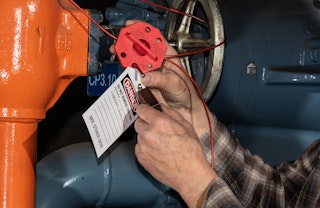
Give maintenance workers a clear six-step lockout/tagout routine, from identifying hazardous energy to verifying isolation before any work begins.


Made in the U.S.A.
© Copyright 2026