
Prepare water utility valve crews to exercise and maintain distribution valves safely so mains can be isolated quickly when a break occurs.

Distribution valves often get little attention until a main breaks and crews find a valve that will not close. Valve crews keep these valves working so the system can protect water quality, maintain fire flows and isolate problems fast. This program is for water utility workers who operate, exercise and maintain valves in the field. The video reviews safety considerations for valve work, including valves and gate well caps. It explains the American Water Works Association recommendation that every valve be cycled fully on a set schedule so deposits do not build up. It also covers routine valve maintenance and the security side of valve operation, since tampering could compromise a water system. A planned maintenance program benefits both the utility and the public it serves. The video runs 10 minutes in English. It was produced in 2008, so use it alongside your utility's current valve procedures and safety rules.
Water utility valve crews, distribution system operators and maintenance workers who locate, exercise and repair valves need valve crew safety training. Supervisors who plan valve exercising programs also benefit. The 10-minute English video covers safety considerations, valves and gate well caps, and valve maintenance.
Water system valves should be exercised regularly so they open and close when needed. AWWA recommends operating each valve through a full cycle on a set schedule to prevent deposit buildup. Working valves let crews isolate main breaks quickly, protect water quality, and maintain fire flows.
Water valve crews face traffic hazards when working in streets, strains from turning valve keys and lifting heavy covers, and pinch points around equipment. A stuck valve that suddenly breaks free can throw a worker off balance. Crews repairing valves may also face trench and excavation hazards.
Valve maintenance supports water system security because working valves let a utility isolate contaminated or compromised sections quickly. If someone tampers with the system, crews need to know where valves are and trust that they will operate. Accurate valve maps and records support a utility's emergency response planning.
Before working in a roadway, valve crews should set up temporary traffic control that follows the Manual on Uniform Traffic Control Devices (MUTCD). Use signs and cones to create a protected work zone, and wear high-visibility apparel. Position trucks to shield workers from oncoming traffic.
Schedule a demo with one of our reps
Our extensive Learning Management System allows you to dispatch knowledge and required certificates to teams across your site portfolio.
Our platform caters to all learning styles and scenarios, ensuring effective knowledge retention.
Take control of the learning experience with our configurable class structure. Tailor the training journey to match your organizational needs.
Deliver targeted safety training regimens at every level, putting safety directly into the hands of your workforce.


Deliver more than 400 online safety courses as well as your own training with the SafetyAmp learning management system.
Easily enroll employees into training courses, whether they're in a classroom or taken online - then visualize training history and compliance across multiple locations.
SCORM-compatible
Library of 400+ courses from partner training providers
Create online training courses
Quickly view employee training history
Schedule classroom training sessions
Manage training renewals
Eliminate lost certificates
Built-in reports for training compliance

Other Courses

Build confidence for critical moments through clear Hot Work Safety: Welding, Cutting, and Brazing instruction on frequent hazards associated with welding, cutting, and brazing.

Make workplace requirements clearer. Get a practical overview of spaces using OSHA’s three-pillar criteria for bodily entry in Confined Spaces: Acceptable Entry Conditions.
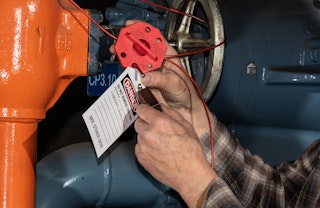
Give maintenance workers a clear six-step lockout/tagout routine, from identifying hazardous energy to verifying isolation before any work begins.


Made in the U.S.A.
© Copyright 2026