
Learn how to safely collect, label, store, process, and recycle common universal wastes, including batteries, lamps, aerosols, and electronic waste.
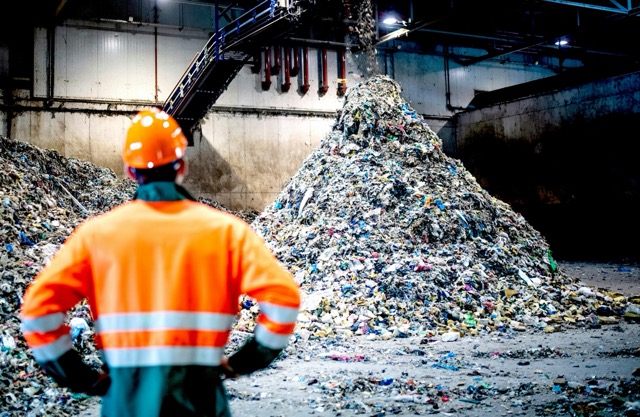
Batteries, fluorescent lamps and aerosol cans pile up at almost every facility, and mishandling them can release hazardous materials. EPA's universal waste rules give companies a simpler path for managing these common wastes, but only if employees follow them. This course is for staff and contractors who collect, store, process or ship universal waste. The program explains how universal waste is defined and walks through the main categories: batteries, pesticides, mercury-containing equipment, lamps and aerosol cans. It also addresses electronic waste, which some states manage under these rules. Viewers learn the streamlined requirements for EPA notification, container labeling, on-site storage, employee training, and tracking and shipping waste. The course shows how duties differ for small and large quantity handlers and how to prepare for emergencies such as releases. The course supports compliance with the federal universal waste regulations in 40 CFR Part 273, including the aerosol can provisions. The video runs about 18 minutes in English.
Universal waste training is needed by any employee who handles or manages universal waste, such as staff who collect spent batteries, change lamps or process aerosol cans. Federal rules require both small and large quantity handlers to make sure workers know proper handling and emergency procedures for their responsibilities.
EPA's universal waste regulations in 40 CFR Part 273 cover universal waste. They set streamlined handling, storage, labeling, training and shipping rules for certain common hazardous wastes. States can adopt stricter versions or add categories of their own, so facilities should also check their state environmental agency's rules.
Under federal rules, universal waste includes five categories: batteries, certain recalled or collected pesticides, mercury-containing equipment, lamps such as fluorescent tubes, and aerosol cans, which EPA added in 2019. Many states add others, including electronic waste. Each item must still be managed to prevent releases to the environment.
Universal waste handlers can generally accumulate universal waste for up to one year from the date it is generated or received. Facilities must be able to show how long items have been stored, typically by dating containers or keeping an inventory log. Longer storage is allowed only when needed to collect enough for proper recovery or disposal.
A large quantity handler of universal waste accumulates 5,000 kilograms or more at any one time; a small quantity handler stays below that amount. Large quantity handlers must notify EPA and have an EPA identification number, keep shipment records and provide more thorough employee training. Small quantity handlers follow lighter requirements.
Schedule a demo with one of our reps
Our extensive Learning Management System allows you to dispatch knowledge and required certificates to teams across your site portfolio.
Our platform caters to all learning styles and scenarios, ensuring effective knowledge retention.
Take control of the learning experience with our configurable class structure. Tailor the training journey to match your organizational needs.
Deliver targeted safety training regimens at every level, putting safety directly into the hands of your workforce.


Deliver more than 400 online safety courses as well as your own training with the SafetyAmp learning management system.
Easily enroll employees into training courses, whether they're in a classroom or taken online - then visualize training history and compliance across multiple locations.
SCORM-compatible
Library of 400+ courses from partner training providers
Create online training courses
Quickly view employee training history
Schedule classroom training sessions
Manage training renewals
Eliminate lost certificates
Built-in reports for training compliance

Other Courses

Build confidence for critical moments through clear Hot Work Safety: Welding, Cutting, and Brazing instruction on frequent hazards associated with welding, cutting, and brazing.

Make workplace requirements clearer. Get a practical overview of spaces using OSHA’s three-pillar criteria for bodily entry in Confined Spaces: Acceptable Entry Conditions.

Give maintenance workers a clear six-step lockout/tagout routine, from identifying hazardous energy to verifying isolation before any work begins.


Made in the U.S.A.
© Copyright 2026