
Show facility staff how their SWPPP works, from pollution prevention team roles to spill response and the inspections that keep runoff clean.
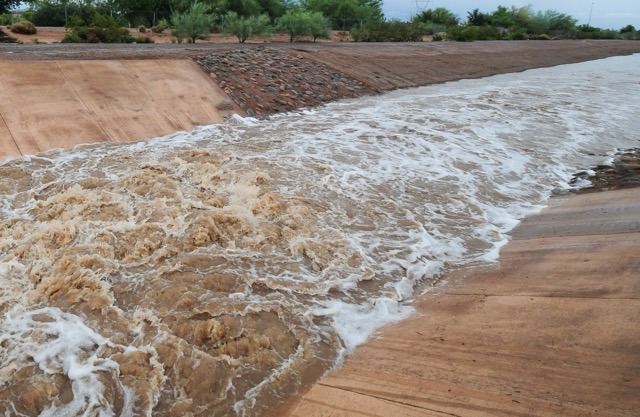
Rain that runs across loading docks, parking lots, storage yards and waste areas can carry chemicals, oils, bacteria and debris. That runoff often reaches streams and lakes untreated, affecting water used for drinking, swimming and farming. This course is for employees at industrial facilities covered by a stormwater permit, including pollution prevention team members, maintenance staff and supervisors. It explains the National Pollutant Discharge Elimination System and the Multi-Sector General Permit that many industrial sites operate under. Viewers see how a pollution prevention team works and how site assessments identify likely sources of contaminated runoff. The course reviews ways to reduce exposure of materials to rain and snowmelt, along with how to respond to spills and leaks. It closes with the three kinds of stormwater inspections: routine, visual and annual. Stormwater permits stem from the Clean Water Act, and many states issue their own industrial permits. The video runs about 23 minutes and is available in English and Spanish. It was produced in 2011, and EPA has reissued the Multi-Sector General Permit since then, so check your current permit terms.
SWPPP training is for employees whose work can affect stormwater at an industrial facility. That includes pollution prevention team members, loading dock and yard crews, chemical storage and waste handlers, maintenance staff, and anyone who inspects outdoor areas. The 23-minute video is available in English and Spanish.
Industrial SWPPPs come from the Clean Water Act's National Pollutant Discharge Elimination System (NPDES) stormwater program. Most facilities are covered by EPA's Multi-Sector General Permit or a similar state industrial stormwater permit. These permits require a written SWPPP, a pollution prevention team, inspections and employee training.
The three stormwater inspection types are routine, visual and annual. Routine inspections check outdoor activity areas and control measures. Visual inspections look at collected runoff for color, odor, sheen, foam or solids. Annual inspections take a facility-wide look at whether the SWPPP still matches site conditions.
If a spill could reach a storm drain, stop the source if it is safe. Then block or cover the drain with mats, berms or absorbent socks. Notify the person named in your SWPPP right away so cleanup, documentation and any required agency reporting happen quickly.
A stormwater pollution prevention team develops, carries out and updates the facility's SWPPP. Members identify pollutant sources, choose control measures, run inspections, track corrective actions and keep records. Each member needs to understand their role, so team members usually need deeper training than general employees.
Schedule a demo with one of our reps
Our extensive Learning Management System allows you to dispatch knowledge and required certificates to teams across your site portfolio.
Our platform caters to all learning styles and scenarios, ensuring effective knowledge retention.
Take control of the learning experience with our configurable class structure. Tailor the training journey to match your organizational needs.
Deliver targeted safety training regimens at every level, putting safety directly into the hands of your workforce.


Deliver more than 400 online safety courses as well as your own training with the SafetyAmp learning management system.
Easily enroll employees into training courses, whether they're in a classroom or taken online - then visualize training history and compliance across multiple locations.
SCORM-compatible
Library of 400+ courses from partner training providers
Create online training courses
Quickly view employee training history
Schedule classroom training sessions
Manage training renewals
Eliminate lost certificates
Built-in reports for training compliance

Other Courses

Build confidence for critical moments through clear Hot Work Safety: Welding, Cutting, and Brazing instruction on frequent hazards associated with welding, cutting, and brazing.

Make workplace requirements clearer. Get a practical overview of spaces using OSHA’s three-pillar criteria for bodily entry in Confined Spaces: Acceptable Entry Conditions.
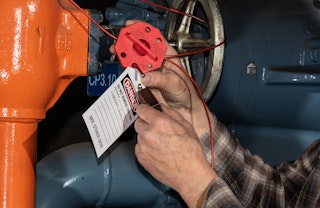
Give maintenance workers a clear six-step lockout/tagout routine, from identifying hazardous energy to verifying isolation before any work begins.


Made in the U.S.A.
© Copyright 2026