
Strengthen day-to-day performance. Get a practical overview of truck-mounted knuckle boom cranes in Truck Mounted Articulating Knuckle Boom Cranes.
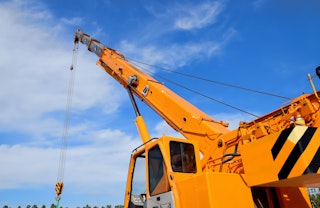
Designed for day-to-day use, Truck Mounted Articulating Knuckle Boom Cranes explains the topic in a clear and actionable way. Key outcomes include the ability to describe the reason and essential concepts of truck mounted articulating knuckle boom cranes, spot common risks and responsibilities related to truck mounted articulating knuckle boom cranes, and use the training guidance during routine work. The material also helps learners respond appropriately when questions or unsafe conditions arise. Practical examples connect the subject to routine tasks, expected procedures, and decisions employees may need to make on the job. Learners finish with a clearer understanding of what to look for, how to respond, and when to raise a concern or seek additional guidance.
Operators of truck-mounted articulating knuckle boom cranes need training, along with riggers, signal persons and delivery drivers who work beside them. These cranes move steel road plate, shoring, trench boxes, logs, vehicles and K-rail. The 13-minute English video covers operator duties, pre-start inspection, safety checks, and crane operation.
In construction, truck-mounted knuckle boom cranes generally fall under OSHA's cranes and derricks standard, 29 CFR 1926 Subpart CC. Subpart CC covers operator qualification, inspections, power line clearance and ground conditions. Some material-delivery uses of knuckle boom cranes are exempt under 29 CFR 1926.1400(c)(17).
A knuckle boom crane pre-start inspection should cover hydraulic hoses and fittings, boom sections and pins, and outriggers. Test the controls and safety devices such as load-limiting systems. Check the hook, latch and rigging for damage. Under OSHA's construction crane rules, a competent person must inspect the crane each shift.
Many knuckle boom crane accidents trace back to poor operator training. Common causes include overloading at long reach, setting up on soft ground or without fully extended outriggers, and contacting overhead power lines. Workers under suspended loads or inside the swing radius also face serious struck-by and crushing hazards.
Yes, most knuckle boom crane operators in construction must be certified under 29 CFR 1926.1427 unless an exemption applies. Certification comes from an accredited testing organization or an audited employer program. Employers also must evaluate each operator's ability to run the specific equipment safely.
Schedule a demo with one of our reps
Our extensive Learning Management System allows you to dispatch knowledge and required certificates to teams across your site portfolio.
Our platform caters to all learning styles and scenarios, ensuring effective knowledge retention.
Take control of the learning experience with our configurable class structure. Tailor the training journey to match your organizational needs.
Deliver targeted safety training regimens at every level, putting safety directly into the hands of your workforce.


Deliver more than 400 online safety courses as well as your own training with the SafetyAmp learning management system.
Easily enroll employees into training courses, whether they're in a classroom or taken online - then visualize training history and compliance across multiple locations.
SCORM-compatible
Library of 400+ courses from partner training providers
Create online training courses
Quickly view employee training history
Schedule classroom training sessions
Manage training renewals
Eliminate lost certificates
Built-in reports for training compliance

Other Courses

Build confidence for critical moments through clear Hot Work Safety: Welding, Cutting, and Brazing instruction on frequent hazards associated with welding, cutting, and brazing.

Make workplace requirements clearer. Get a practical overview of spaces using OSHA’s three-pillar criteria for bodily entry in Confined Spaces: Acceptable Entry Conditions.
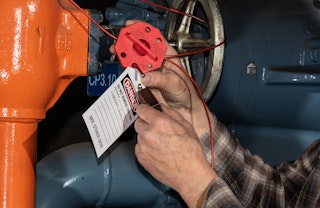
Give maintenance workers a clear six-step lockout/tagout routine, from identifying hazardous energy to verifying isolation before any work begins.


Made in the U.S.A.
© Copyright 2026