
Build confidence for better decisions with To The Point About: The Safe Use of Compressed Gas Cylinders training on how to inspect, handle, store and transport.
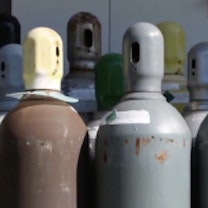
To The Point About: The Safe Use of Compressed Gas Cylinders prepares employees to recognize relevant risks, responsibilities, and safe work expectations. Key outcomes include the ability to describe the purpose and core concepts covered in To The Point About: the safe use of compressed gas cylinders, spot common risks and responsibilities covered in To The Point About: the safe use of compressed gas cylinders, and use the training guidance during routine work. The material also helps learners respond appropriately when questions or unsafe conditions arise. Practical examples connect the subject to routine tasks, expected procedures, and decisions employees may need to make on the job. Learners finish with a clearer understanding of what to look for, how to respond, and when to raise a concern or seek additional guidance.
Compressed gas cylinder safety training is for anyone who moves, stores, connects or uses gas cylinders. That includes welders, lab technicians, maintenance staff, medical workers and receiving or warehouse employees. The 10-minute English video covers common gas types, hazards, safe storage and cryogenic liquids.
OSHA's general compressed gas standard, 29 CFR 1910.101, requires employers to inspect cylinders and handle them following Compressed Gas Association guidance. Section 1910.253 adds storage rules for oxygen and fuel-gas cylinders used in welding and cutting. Hazard communication training under 1910.1200 also applies to hazardous gases.
Compressed gas cylinders should be stored upright and secured with chains or straps so they cannot fall. Keep valve caps on when cylinders are not in use, and store them away from heat and traffic. Separate oxygen from fuel gases by at least 20 feet or a fire-resistant barrier at least 5 feet high.
Liquefied gases, such as propane and carbon dioxide, are partly liquid inside the cylinder at normal temperatures. Non-liquefied gases, such as oxygen, nitrogen and argon, remain gases under high pressure. Dissolved gases, mainly acetylene, are dissolved in a solvent inside a porous filler for stability.
Cryogenic liquids are dangerous because their extreme cold causes cold burns and frostbite on contact with skin. As they warm, cryogenic liquids expand into large volumes of gas that can displace oxygen or over-pressurize containers, especially if ice blocks a valve. Wear leather gloves, face shields and goggles when handling them.
Schedule a demo with one of our reps
Our extensive Learning Management System allows you to dispatch knowledge and required certificates to teams across your site portfolio.
Our platform caters to all learning styles and scenarios, ensuring effective knowledge retention.
Take control of the learning experience with our configurable class structure. Tailor the training journey to match your organizational needs.
Deliver targeted safety training regimens at every level, putting safety directly into the hands of your workforce.


Deliver more than 400 online safety courses as well as your own training with the SafetyAmp learning management system.
Easily enroll employees into training courses, whether they're in a classroom or taken online - then visualize training history and compliance across multiple locations.
SCORM-compatible
Library of 400+ courses from partner training providers
Create online training courses
Quickly view employee training history
Schedule classroom training sessions
Manage training renewals
Eliminate lost certificates
Built-in reports for training compliance

Other Courses

Build confidence for critical moments through clear Hot Work Safety: Welding, Cutting, and Brazing instruction on frequent hazards associated with welding, cutting, and brazing.

Make workplace requirements clearer. Get a practical overview of spaces using OSHA’s three-pillar criteria for bodily entry in Confined Spaces: Acceptable Entry Conditions.
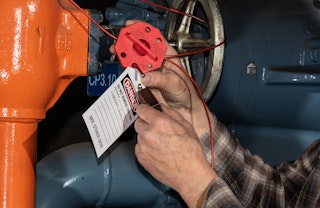
Give maintenance workers a clear six-step lockout/tagout routine, from identifying hazardous energy to verifying isolation before any work begins.


Made in the U.S.A.
© Copyright 2026