
Prepare Canadian workers to identify fire classes, pick the right extinguisher, decide when a fire is safe to fight and operate the unit correctly.
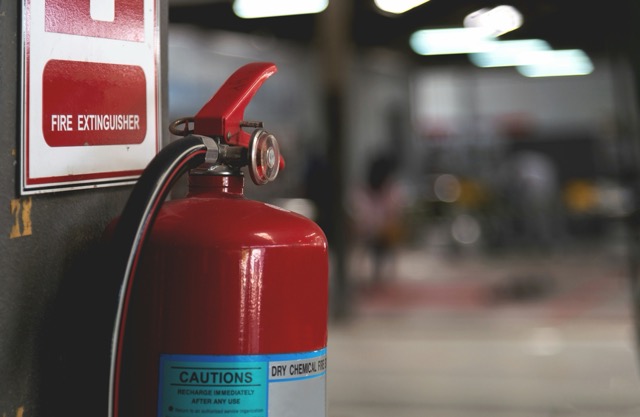
Fire extinguishers are critical safety equipment that can prevent injuries and save lives when used correctly. This training program teaches employees the proper techniques for using fire extinguishers safely and effectively in workplace emergencies. Participants will learn to identify the different classes of fires (Class A, B, C, D, and K) and match them with the appropriate type of fire extinguisher for each situation. The course covers the critical decision-making process of when it's safe to fight a fire with an extinguisher versus when to evacuate and call for professional help. Employees will learn the PASS technique (Pull, Aim, Squeeze, Sweep) for proper extinguisher operation, ensuring they can respond quickly and correctly in an emergency. The training also addresses fire extinguisher inspection and maintenance requirements, helping employees recognize when extinguishers need servicing or replacement. Understanding these fundamentals ensures that employees can protect themselves and their coworkers, minimize property damage, and respond appropriately during fire emergencies while staying within their training and capabilities.
Fire extinguisher training in Canada is for employees expected to use portable extinguishers. Examples include fire wardens, maintenance staff, kitchen workers and production employees near flammable materials. Anyone working where extinguishers are mounted benefits from knowing when to fight a fire and when to leave. The 11-minute video is in English.
Portable fire extinguishers in Canada fall under the National Fire Code of Canada as adopted by each province or territory. The code points to NFPA 10 for selection, installation, inspection and maintenance. Provincial health and safety laws, or the Canada Labour Code for federal workplaces, set employer duties to train workers.
Fire classes match the fuel that is burning. Class A is ordinary combustibles like wood, paper and cloth. Class B is flammable liquids and gases. Class C involves energized electrical equipment. Class D covers combustible metals, and Class K covers cooking oils and fats. Extinguisher labels show which classes each unit handles.
PASS is the four-step method for using a portable fire extinguisher. Pull the pin, Aim the nozzle at the base of the fire, Squeeze the handle, and Sweep side to side. Keep an exit behind you, and back away if the fire does not go out quickly.
Do not use a fire extinguisher if the fire is spreading beyond where it started or smoke is filling the room. Also leave if your exit path is threatened or you lack the right extinguisher type. In those cases, sound the alarm, evacuate and let the fire department take over.
Schedule a demo with one of our reps
Our extensive Learning Management System allows you to dispatch knowledge and required certificates to teams across your site portfolio.
Our platform caters to all learning styles and scenarios, ensuring effective knowledge retention.
Take control of the learning experience with our configurable class structure. Tailor the training journey to match your organizational needs.
Deliver targeted safety training regimens at every level, putting safety directly into the hands of your workforce.


Deliver more than 400 online safety courses as well as your own training with the SafetyAmp learning management system.
Easily enroll employees into training courses, whether they're in a classroom or taken online - then visualize training history and compliance across multiple locations.
SCORM-compatible
Library of 400+ courses from partner training providers
Create online training courses
Quickly view employee training history
Schedule classroom training sessions
Manage training renewals
Eliminate lost certificates
Built-in reports for training compliance

Other Courses

Build confidence for critical moments through clear Hot Work Safety: Welding, Cutting, and Brazing instruction on frequent hazards associated with welding, cutting, and brazing.

Make workplace requirements clearer. Get a practical overview of spaces using OSHA’s three-pillar criteria for bodily entry in Confined Spaces: Acceptable Entry Conditions.
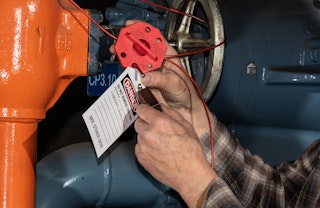
Give maintenance workers a clear six-step lockout/tagout routine, from identifying hazardous energy to verifying isolation before any work begins.


Made in the U.S.A.
© Copyright 2026