
Prepare Canadian lift truck operators to inspect equipment, keep loads within the stability triangle and avoid tip-overs in shared work areas.
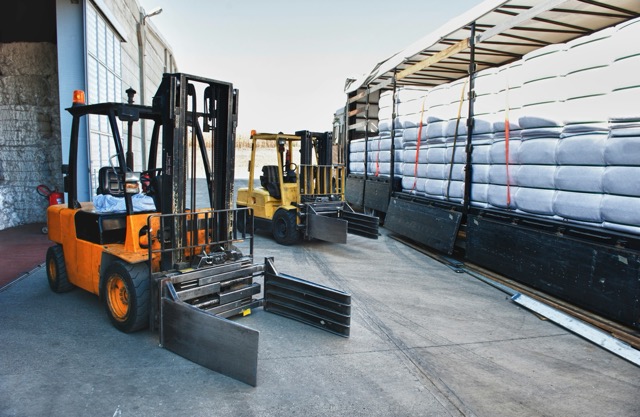
Forklift operations present serious hazards that cause numerous workplace injuries and fatalities each year. This comprehensive training program covers the essential safety procedures that forklift operators in Canada must follow to protect themselves and their coworkers. Participants will learn about operator training and certification requirements mandated by Canadian safety regulations, how to conduct thorough pre-operational inspections to identify potential equipment problems, the principles of maintaining truck stability while lifting, moving, and stacking loads, and safe techniques for lifting and placing loads at various heights and locations. The course covers critical safe driving practices including speed control, turning, visibility, and navigating around pedestrians and obstacles. Special attention is given to the unique hazards of working on loading docks and in trailers, including preventing falls, avoiding trailer tip-overs, and safely entering and exiting trailers. By mastering these fundamental skills and safety procedures, forklift operators can prevent accidents, protect themselves and others, and ensure efficient and safe material handling operations throughout their facilities.
Forklift operator training in Canada is needed by anyone who drives a lift truck at work. That includes warehouse, shipping and receiving, manufacturing and distribution staff. Supervisors of lift truck operations also benefit. The 12-minute English video, with Spanish and French captions, covers inspections, stability, load handling, driving and dock work.
CSA B335, Safety Standard for Lift Truck Operations, is the national standard for forklift operator training and safe operation in Canada. Provincial and territorial occupational health and safety regulations, or the Canada Labour Code for federal workplaces, set the legally binding requirements employers must meet.
The forklift stability triangle is the area formed by the two front wheels and the pivot point at the center of the rear axle. A counterbalanced forklift stays upright while the combined center of gravity of truck and load remains inside that triangle. Raised loads, sharp turns and slopes can shift it outside.
A forklift pre-shift inspection should check the forks, mast, chains and carriage for damage, plus tires, brakes, steering, horn, lights and seatbelt. Look for fluid leaks, test the hydraulic controls, and confirm battery charge or fuel level. Take any truck with a defect out of service and report it.
Preventing forklift accidents at loading docks starts with securing the trailer using wheel chocks or a vehicle restraint so it cannot creep away. Check the dock plate and trailer floor for strength, keep clear of the dock edge, and drive slowly when entering or leaving a trailer.
Schedule a demo with one of our reps
Our extensive Learning Management System allows you to dispatch knowledge and required certificates to teams across your site portfolio.
Our platform caters to all learning styles and scenarios, ensuring effective knowledge retention.
Take control of the learning experience with our configurable class structure. Tailor the training journey to match your organizational needs.
Deliver targeted safety training regimens at every level, putting safety directly into the hands of your workforce.


Deliver more than 400 online safety courses as well as your own training with the SafetyAmp learning management system.
Easily enroll employees into training courses, whether they're in a classroom or taken online - then visualize training history and compliance across multiple locations.
SCORM-compatible
Library of 400+ courses from partner training providers
Create online training courses
Quickly view employee training history
Schedule classroom training sessions
Manage training renewals
Eliminate lost certificates
Built-in reports for training compliance

Other Courses

Build confidence for critical moments through clear Hot Work Safety: Welding, Cutting, and Brazing instruction on frequent hazards associated with welding, cutting, and brazing.

Make workplace requirements clearer. Get a practical overview of spaces using OSHA’s three-pillar criteria for bodily entry in Confined Spaces: Acceptable Entry Conditions.
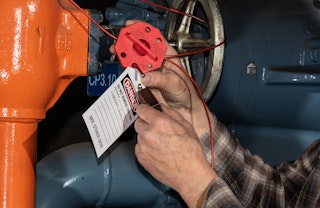
Give maintenance workers a clear six-step lockout/tagout routine, from identifying hazardous energy to verifying isolation before any work begins.


Made in the U.S.A.
© Copyright 2026