
Make workplace requirements clearer. Get a practical overview of Lockout/Tagout regulations in Canada in To The Point About: Lockout/Tagout - Canada.
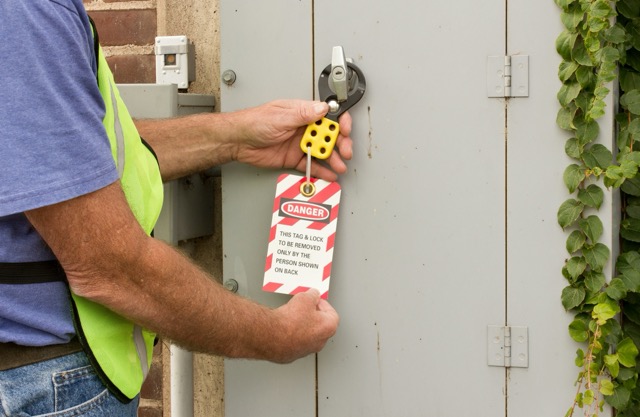
Workers can use To The Point About: Lockout/Tagout - Canada to strengthen the knowledge and judgment needed on the job. Key outcomes include the ability to describe Canadian lockout/tagout rules, spot energy sources at work, and use safe procedures. The material also helps learners ensure equipment maintenance. Practical examples connect the subject to routine tasks, expected procedures, and decisions employees may need to make on the job. Learners finish with a clearer understanding of what to look for, how to respond, and when to raise a concern or seek additional guidance.
Lockout/tagout training in Canada is for maintenance workers, electricians, millwrights and operators who service equipment or clear jams. Authorized workers apply locks, while affected workers need to recognize a lockout and leave it alone. The 12-minute English video gives Canadian teams a fast overview of hazardous energy control.
CSA Z460, Control of Hazardous Energy: Lockout and Other Methods, is the main Canadian standard for lockout/tagout. Legal requirements come from provincial and territorial occupational health and safety regulations, or the Canada Labour Code for federally regulated workplaces. Check the rules that apply in your own jurisdiction.
In lockout/tagout, an authorized employee locks out equipment and performs the service or maintenance work. An affected employee operates or works near that equipment but does not apply locks. Affected employees need to recognize a lockout, never remove locks or tags, and never try to restart locked-out machinery.
The main sources of hazardous energy in lockout/tagout are electrical, mechanical, hydraulic, pneumatic, thermal and chemical energy. Gravity and stored energy in springs, capacitors and pressurized lines also count. Every energy source on a machine has to be identified and controlled before anyone reaches into the danger zone.
Verifying a zero energy state means testing that locked-out equipment truly cannot move or energize. After applying locks and releasing stored energy, try the normal start controls, then return them to off. Test electrical circuits with a properly rated meter. Begin maintenance only after verification confirms zero energy.
Schedule a demo with one of our reps
Our extensive Learning Management System allows you to dispatch knowledge and required certificates to teams across your site portfolio.
Our platform caters to all learning styles and scenarios, ensuring effective knowledge retention.
Take control of the learning experience with our configurable class structure. Tailor the training journey to match your organizational needs.
Deliver targeted safety training regimens at every level, putting safety directly into the hands of your workforce.


Deliver more than 400 online safety courses as well as your own training with the SafetyAmp learning management system.
Easily enroll employees into training courses, whether they're in a classroom or taken online - then visualize training history and compliance across multiple locations.
SCORM-compatible
Library of 400+ courses from partner training providers
Create online training courses
Quickly view employee training history
Schedule classroom training sessions
Manage training renewals
Eliminate lost certificates
Built-in reports for training compliance

Other Courses

Build confidence for critical moments through clear Hot Work Safety: Welding, Cutting, and Brazing instruction on frequent hazards associated with welding, cutting, and brazing.

Make workplace requirements clearer. Get a practical overview of spaces using OSHA’s three-pillar criteria for bodily entry in Confined Spaces: Acceptable Entry Conditions.
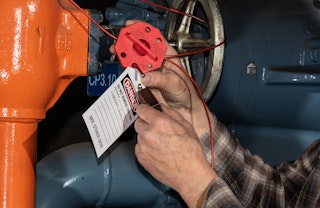
Give maintenance workers a clear six-step lockout/tagout routine, from identifying hazardous energy to verifying isolation before any work begins.


Made in the U.S.A.
© Copyright 2026