
Controlling our exposure to bloodborne pathogens can prevent these diseases and save lives. This program discusses the components of an Exposure Control Plan and safe work practices that protect employees from exposure.
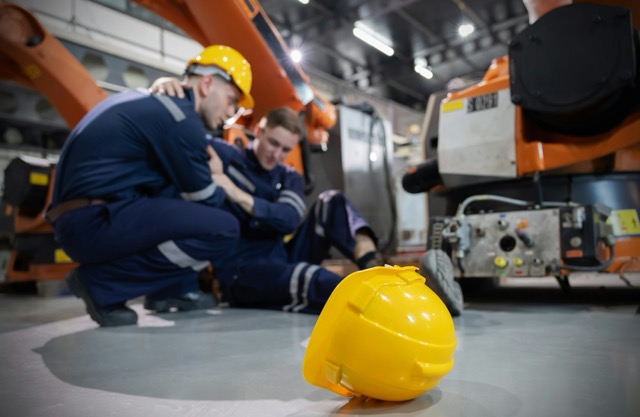
Workers who may contact blood or other potentially infectious materials risk exposure to pathogens such as hepatitis B, hepatitis C and HIV. OSHA's Bloodborne Pathogens Standard, 29 CFR 1910.1030, requires training for these employees when first assigned and every year after. This course suits first aid responders, healthcare staff, janitorial crews and others with reasonably anticipated exposure. The program explains what bloodborne pathogens are and how occupational exposure happens, including the routes by which pathogens enter the body. It describes the components of an Exposure Control Plan and the safe work practices that protect employees. Topics include universal precautions, handling potentially infectious materials, and the steps to take right after an exposure incident. This concise video runs about 12 minutes and is available in English and Spanish. OSHA also requires training to cover your site-specific Exposure Control Plan and allow questions to a knowledgeable person, so pair the video with a live or interactive session.
Bloodborne pathogens training is required for workers reasonably expected to contact blood or other potentially infectious materials on the job. Examples include designated first aid responders, healthcare and lab staff, janitorial crews cleaning up blood, and workers handling contaminated sharps or laundry. The 12-minute video is in English and Spanish.
OSHA's Bloodborne Pathogens Standard, 29 CFR 1910.1030, covers employers whose workers have occupational exposure to blood or other potentially infectious materials. It requires a written Exposure Control Plan, engineering and work practice controls, PPE, hepatitis B vaccination offers, post-exposure follow-up, recordkeeping and annual employee training.
Bloodborne pathogens training is required when an employee first takes on tasks with occupational exposure, then at least once a year. Additional training must be given when new or changed tasks or procedures affect a worker's exposure. Each session must allow time for questions with a knowledgeable trainer.
Universal precautions mean treating all human blood and certain body fluids as if they carry HIV, hepatitis B, hepatitis C or other bloodborne pathogens. Workers use gloves and other barriers, handle sharps carefully, and clean contaminated surfaces every time, no matter whose blood it is.
After a bloodborne pathogen exposure, wash needlesticks and cuts with soap and water, and flush splashes to the eyes, nose or mouth with water. Report the incident to your supervisor immediately. The employer must offer a confidential medical evaluation and follow-up at no cost to the worker.
Schedule a demo with one of our reps
Our extensive Learning Management System allows you to dispatch knowledge and required certificates to teams across your site portfolio.
Our platform caters to all learning styles and scenarios, ensuring effective knowledge retention.
Take control of the learning experience with our configurable class structure. Tailor the training journey to match your organizational needs.
Deliver targeted safety training regimens at every level, putting safety directly into the hands of your workforce.


Deliver more than 400 online safety courses as well as your own training with the SafetyAmp learning management system.
Easily enroll employees into training courses, whether they're in a classroom or taken online - then visualize training history and compliance across multiple locations.
SCORM-compatible
Library of 400+ courses from partner training providers
Create online training courses
Quickly view employee training history
Schedule classroom training sessions
Manage training renewals
Eliminate lost certificates
Built-in reports for training compliance

Other Courses

Build confidence for critical moments through clear Hot Work Safety: Welding, Cutting, and Brazing instruction on frequent hazards associated with welding, cutting, and brazing.

Make workplace requirements clearer. Get a practical overview of spaces using OSHA’s three-pillar criteria for bodily entry in Confined Spaces: Acceptable Entry Conditions.

Give maintenance workers a clear six-step lockout/tagout routine, from identifying hazardous energy to verifying isolation before any work begins.


Made in the U.S.A.
© Copyright 2026