
Reduce workplace risk with The Dark Ages of Safety training focused on continuous improvement in safety practices.

The Dark Ages of Safety gives learners a practical foundation for making safer, more informed decisions. Key outcomes include the ability to support continuous improvement in safety practices, apply takeaways from historical safety failures, and explain the value of safety evolution. The material also helps learners use a proactive approach to workplace safety. Practical examples connect the subject to routine tasks, expected procedures, and decisions employees may need to make on the job. Learners finish with a clearer understanding of what to look for, how to respond, and when to raise a concern or seek additional guidance.
Training on the history of workplace safety suits new hires, experienced workers and supervisors alike. It works well in safety meetings and orientation, where it gives context for today's rules and programs. Employees who see safety procedures as red tape often benefit most from viewing the conditions those rules were written to prevent.
Before OSHA, workplace safety was often neglected. From the Industrial Revolution into the mid-20th century, many workers faced unguarded machinery, toxic exposures and few protective measures, leading to frequent injuries and deaths that could have been prevented. Protections varied widely by state and employer, and injured workers often had little recourse.
OSHA was created by the Occupational Safety and Health Act of 1970, signed by President Richard Nixon in December 1970, and began operating in 1971. The law requires employers to provide workplaces free from recognized serious hazards and gives OSHA authority to set and enforce safety standards.
Historical footage makes safety training memorable by showing real conditions rather than just describing them. Seeing workers from the 1920s to the 1940s exposed to unguarded hazards helps employees appreciate why modern rules exist. That contrast can turn compliance from a checklist into a personal commitment to working safely.
Workplace safety has improved through stronger laws, better technology and formal safety management systems. Machine guarding, personal protective equipment, hazard communication and accident prevention programs are now standard expectations. Continuous improvement still matters, because complacency lets old hazards return when workers stop following proven practices.
Schedule a demo with one of our reps
Our extensive Learning Management System allows you to dispatch knowledge and required certificates to teams across your site portfolio.
Our platform caters to all learning styles and scenarios, ensuring effective knowledge retention.
Take control of the learning experience with our configurable class structure. Tailor the training journey to match your organizational needs.
Deliver targeted safety training regimens at every level, putting safety directly into the hands of your workforce.


Deliver more than 400 online safety courses as well as your own training with the SafetyAmp learning management system.
Easily enroll employees into training courses, whether they're in a classroom or taken online - then visualize training history and compliance across multiple locations.
SCORM-compatible
Library of 400+ courses from partner training providers
Create online training courses
Quickly view employee training history
Schedule classroom training sessions
Manage training renewals
Eliminate lost certificates
Built-in reports for training compliance

Other Courses

Build confidence for critical moments through clear Hot Work Safety: Welding, Cutting, and Brazing instruction on frequent hazards associated with welding, cutting, and brazing.

Make workplace requirements clearer. Get a practical overview of spaces using OSHA’s three-pillar criteria for bodily entry in Confined Spaces: Acceptable Entry Conditions.
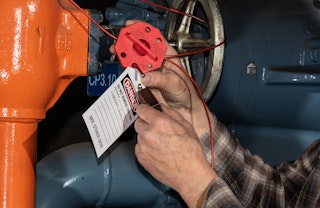
Give maintenance workers a clear six-step lockout/tagout routine, from identifying hazardous energy to verifying isolation before any work begins.


Made in the U.S.A.
© Copyright 2026