
Show frontline workers how rushing leads to skipped steps and injuries, and how planning and better time management keep jobs safe under pressure.

Deadlines and busy schedules push workers to hurry, and hurried work is where shortcuts and mistakes happen. When people rush, they lose focus, skip steps and make poor decisions. This program is for employees in any workplace who feel pressure to save time on the job. Using workplace examples, the course shows the hazards that come with working in a hurry. Viewers learn to notice the early signs that they are becoming rushed and why hurried work raises injury risk. The program argues that rushing is a symptom, not a root cause. Poor planning, poor choices and weak time management drive it, and better preparation and organization prevent it. It also encourages workers to look for hazards, take part in risk assessment and build safety into routine tasks. The video runs about 16 minutes and is available in English.
Training on rushing and time pressure fits any worker who faces deadlines, production targets or tight schedules. It is especially useful for manufacturing, maintenance, warehouse and construction crews, where a skipped step can cause a serious injury. Supervisors benefit too, since the schedules they set can push crews to hurry.
Rushing is dangerous at work because it pulls attention away from the task. Hurried workers tend to lose focus, skip procedural steps and make snap decisions they would not make otherwise. Those lapses lead to slips, contact with moving parts, dropped loads and other incidents that planned, steady work avoids.
Workers usually rush on the job because of poor planning, poor choices or weak time management, not the deadline alone. Hurrying is a symptom of those problems. Planning the job ahead, gathering tools and materials early, and setting realistic schedules remove much of the pressure that leads to shortcuts.
Workers can avoid rushing by planning each task before starting, organizing tools and materials, and allowing realistic time for every step. When a schedule feels too tight, the safer choice is to slow down and raise the concern with a supervisor. Time spent working safely costs far less than an injury.
No OSHA standard specifically requires training on rushing or time pressure. However, the OSH Act's General Duty Clause expects employers to keep workplaces free of recognized hazards, and many safety programs treat rushing as a behavioral risk. A short session on rushing fits well into orientation or regular safety meetings.
Schedule a demo with one of our reps
Our extensive Learning Management System allows you to dispatch knowledge and required certificates to teams across your site portfolio.
Our platform caters to all learning styles and scenarios, ensuring effective knowledge retention.
Take control of the learning experience with our configurable class structure. Tailor the training journey to match your organizational needs.
Deliver targeted safety training regimens at every level, putting safety directly into the hands of your workforce.


Deliver more than 400 online safety courses as well as your own training with the SafetyAmp learning management system.
Easily enroll employees into training courses, whether they're in a classroom or taken online - then visualize training history and compliance across multiple locations.
SCORM-compatible
Library of 400+ courses from partner training providers
Create online training courses
Quickly view employee training history
Schedule classroom training sessions
Manage training renewals
Eliminate lost certificates
Built-in reports for training compliance

Other Courses

Build confidence for critical moments through clear Hot Work Safety: Welding, Cutting, and Brazing instruction on frequent hazards associated with welding, cutting, and brazing.

Make workplace requirements clearer. Get a practical overview of spaces using OSHA’s three-pillar criteria for bodily entry in Confined Spaces: Acceptable Entry Conditions.
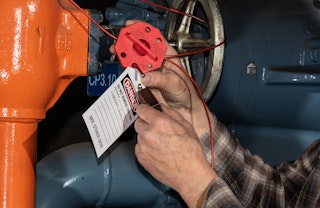
Give maintenance workers a clear six-step lockout/tagout routine, from identifying hazardous energy to verifying isolation before any work begins.


Made in the U.S.A.
© Copyright 2026