
Protect your team. Get a practical overview of how to stay safe when off the job as well in Take Safety Home: Preventing Off-Job Injuries.

Workers can use Take Safety Home: Preventing Off-Job Injuries to strengthen the knowledge and judgment needed on the job. Key outcomes include the ability to describe the reason and essential concepts of take safety home: reducing off-job injuries, spot common risks and responsibilities related to take safety home: reducing off-job injuries, and use the training guidance during routine work. The material also helps learners respond appropriately when questions or unsafe conditions arise. Practical examples connect the subject to routine tasks, expected procedures, and decisions employees may need to make on the job. Learners finish with a clearer understanding of what to look for, how to respond, and when to raise a concern or seek additional guidance.
Off-the-job safety training fits every employee, since injuries at home, on the road and during recreation keep people off work just like workplace injuries. It is especially relevant for crews already trained in workplace safety. The 20-minute English program features retired firefighter and paramedic Martin Lesperance speaking to a live audience.
Employers should care about off-the-job injuries because most disabling injuries happen away from work. Those injuries still cause absences, lost productivity and health care costs. An injured employee is just as unavailable whether the ladder fall happened at the plant or at home on a Saturday.
Off-the-job injuries often come from falls from ladders and roofs, motor vehicle crashes, yard and power tool mishaps, and overexertion during weekend projects. Many happen during tasks people rarely do, like gutter cleaning, where they skip the precautions they would use at work without thinking.
Workers can bring workplace safety habits home by doing a quick risk check before chores. Use safety glasses, gloves and hearing protection for yard and shop work. Set ladders up properly and drive without distractions. Sharing those habits with family members spreads the benefit beyond the job.
The weekend warrior mindset in safety is following every rule at work, then taking big risks at home. Examples include climbing a wobbly ladder, skipping eye protection with a string trimmer, or rushing a project. Applying the same risk assessment used at work prevents many of these injuries.
Schedule a demo with one of our reps
Our extensive Learning Management System allows you to dispatch knowledge and required certificates to teams across your site portfolio.
Our platform caters to all learning styles and scenarios, ensuring effective knowledge retention.
Take control of the learning experience with our configurable class structure. Tailor the training journey to match your organizational needs.
Deliver targeted safety training regimens at every level, putting safety directly into the hands of your workforce.


Deliver more than 400 online safety courses as well as your own training with the SafetyAmp learning management system.
Easily enroll employees into training courses, whether they're in a classroom or taken online - then visualize training history and compliance across multiple locations.
SCORM-compatible
Library of 400+ courses from partner training providers
Create online training courses
Quickly view employee training history
Schedule classroom training sessions
Manage training renewals
Eliminate lost certificates
Built-in reports for training compliance

Other Courses

Build confidence for critical moments through clear Hot Work Safety: Welding, Cutting, and Brazing instruction on frequent hazards associated with welding, cutting, and brazing.

Make workplace requirements clearer. Get a practical overview of spaces using OSHA’s three-pillar criteria for bodily entry in Confined Spaces: Acceptable Entry Conditions.
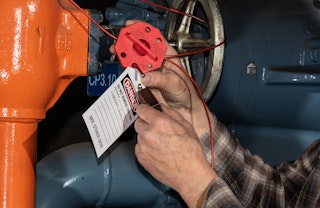
Give maintenance workers a clear six-step lockout/tagout routine, from identifying hazardous energy to verifying isolation before any work begins.


Made in the U.S.A.
© Copyright 2026