
Protect your team through clear SPCC Oil and Water Do Not Mix instruction on prepares employees to work at sites where oil serves and stored.
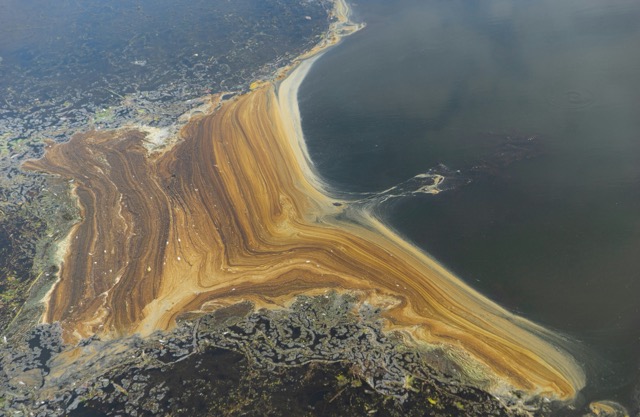
The SPCC Oil and Water Do Not Mix program builds practical awareness and supports consistent workplace decisions. Key outcomes include the ability to describe prepares employees to work at sites where oil serves and stored, describe familiarized with the laws concerning oil safety, and describe how these regulated substances need to be stored. The material also helps learners spot the designs of equipment and devices used to prevent spills. Practical examples connect the subject to routine tasks, expected procedures, and decisions employees may need to make on the job. Learners finish with a clearer understanding of what to look for, how to respond, and when to raise a concern or seek additional guidance.
SPCC training is required for oil-handling personnel at facilities covered by EPA's Spill Prevention, Control, and Countermeasure rule. That includes employees who fill, transfer, store, inspect or maintain oil tanks and equipment. Supervisors and the person accountable for discharge prevention also need a solid understanding of the facility's SPCC plan.
EPA's SPCC rule, 40 CFR Part 112, requires the training. Section 112.7(f) says oil-handling personnel must be trained in operating and maintaining equipment to prevent discharges, discharge procedure protocols, applicable pollution control laws and rules, general facility operations and the contents of the facility's SPCC plan.
A facility generally needs an SPCC plan if it stores more than 1,320 gallons of oil in aboveground containers, or more than 42,000 gallons in completely buried tanks, and could reasonably discharge oil to navigable waters or shorelines. Only containers of 55 gallons or more count toward the aboveground total.
SPCC rules require discharge prevention briefings for oil-handling personnel at least once a year. These briefings review known discharges or failures, malfunctioning equipment and any recently developed precautions. New employees should be trained before they handle oil, and refresher training makes sense whenever the plan or equipment changes.
If you discover an oil spill at work, follow your facility's SPCC discharge procedures. Stop the source if you can do so safely, contain the oil with spill kits or booms, and notify the designated person immediately. Spills that reach water may need to be reported to the National Response Center.
Schedule a demo with one of our reps
Our extensive Learning Management System allows you to dispatch knowledge and required certificates to teams across your site portfolio.
Our platform caters to all learning styles and scenarios, ensuring effective knowledge retention.
Take control of the learning experience with our configurable class structure. Tailor the training journey to match your organizational needs.
Deliver targeted safety training regimens at every level, putting safety directly into the hands of your workforce.


Deliver more than 400 online safety courses as well as your own training with the SafetyAmp learning management system.
Easily enroll employees into training courses, whether they're in a classroom or taken online - then visualize training history and compliance across multiple locations.
SCORM-compatible
Library of 400+ courses from partner training providers
Create online training courses
Quickly view employee training history
Schedule classroom training sessions
Manage training renewals
Eliminate lost certificates
Built-in reports for training compliance

Other Courses

Build confidence for critical moments through clear Hot Work Safety: Welding, Cutting, and Brazing instruction on frequent hazards associated with welding, cutting, and brazing.

Make workplace requirements clearer. Get a practical overview of spaces using OSHA’s three-pillar criteria for bodily entry in Confined Spaces: Acceptable Entry Conditions.

Give maintenance workers a clear six-step lockout/tagout routine, from identifying hazardous energy to verifying isolation before any work begins.


Made in the U.S.A.
© Copyright 2026