
Give water, wastewater and pool staff safe storage, PPE, first aid and spill response practices for sodium and calcium hypochlorite disinfectants.
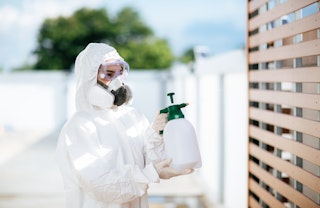
This essential training program covers the safe handling, storage, and use of sodium hypochlorite and calcium hypochlorite—powerful disinfecting agents widely used in water and wastewater treatment facilities, swimming pools, spas, and industrial water systems. These chlorine-based chemicals are highly effective at killing bacteria, viruses, parasites, and fungi that may contaminate water supplies, but they also present significant safety hazards when handled improperly. Water treatment operators, pool maintenance personnel, and industrial workers will learn the chemical properties and disinfection mechanisms of both sodium hypochlorite (liquid bleach) and calcium hypochlorite (solid chlorine compounds). The course covers critical differences between these products, including concentration levels, storage requirements, and application methods for various water treatment scenarios. Participants will understand safe storage practices to prevent chemical degradation, dangerous reactions with incompatible materials, and off-gassing in confined spaces. The training addresses proper handling procedures, including safe transfer and dilution techniques, use of appropriate personal protective equipment (PPE) such as chemical-resistant gloves, eye protection, and respirators, and ventilation requirements for enclosed work areas. The program covers health effects of exposure including skin and eye burns, respiratory irritation, and potential chronic health impacts from repeated contact. Participants will learn first aid procedures for exposures, emergency response protocols for spills and releases, proper waste disposal methods, and regulatory compliance requirements. This comprehensive training ensures workers can safely handle these essential disinfectants while protecting themselves, their coworkers, and the public water supply from chemical hazards.
Water and wastewater operators, pool and spa maintenance staff, and chemical handlers who store or dose chlorine disinfectants need hypochlorite safety training. Warehouse and delivery workers who move these products also benefit. The 12-minute English video covers storage and use, health effects, first aid, PPE, disposal and emergency response.
OSHA's Hazard Communication standard, 29 CFR 1910.1200, applies to sodium and calcium hypochlorite. Employers must keep containers labeled, provide safety data sheets and train workers on the chemicals' hazards. The PPE standard, 29 CFR 1910.132, also requires a hazard assessment and suitable eye, face and skin protection.
Mixing sodium or calcium hypochlorite with acid releases toxic chlorine gas. Mixing hypochlorite with ammonia produces harmful chloramine vapors. Calcium hypochlorite can also react violently with organic materials, oils and fuels, causing fires. Store hypochlorite away from acids, ammonia and combustibles to prevent these reactions.
Sodium hypochlorite is a liquid solution, the same chemical as household bleach but stronger for water treatment. Calcium hypochlorite is a solid sold as granules or tablets with a higher available chlorine content. Both disinfect water, but calcium hypochlorite poses greater fire and reactivity hazards.
For hypochlorite splashes in the eyes, flush with water for at least 15 minutes and get medical care. Wash skin contact with plenty of water and remove contaminated clothing. Move anyone who inhales vapors or chlorine gas to fresh air. Always follow the first aid section of the safety data sheet.
Schedule a demo with one of our reps
Our extensive Learning Management System allows you to dispatch knowledge and required certificates to teams across your site portfolio.
Our platform caters to all learning styles and scenarios, ensuring effective knowledge retention.
Take control of the learning experience with our configurable class structure. Tailor the training journey to match your organizational needs.
Deliver targeted safety training regimens at every level, putting safety directly into the hands of your workforce.


Deliver more than 400 online safety courses as well as your own training with the SafetyAmp learning management system.
Easily enroll employees into training courses, whether they're in a classroom or taken online - then visualize training history and compliance across multiple locations.
SCORM-compatible
Library of 400+ courses from partner training providers
Create online training courses
Quickly view employee training history
Schedule classroom training sessions
Manage training renewals
Eliminate lost certificates
Built-in reports for training compliance

Other Courses

Build confidence for critical moments through clear Hot Work Safety: Welding, Cutting, and Brazing instruction on frequent hazards associated with welding, cutting, and brazing.

Make workplace requirements clearer. Get a practical overview of spaces using OSHA’s three-pillar criteria for bodily entry in Confined Spaces: Acceptable Entry Conditions.
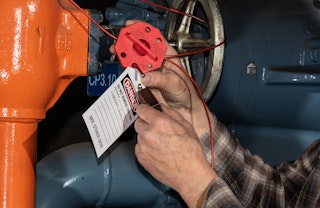
Give maintenance workers a clear six-step lockout/tagout routine, from identifying hazardous energy to verifying isolation before any work begins.


Made in the U.S.A.
© Copyright 2026