
Protect your team with Skid Steer Safety training focused on how to stay safe when skid steering.
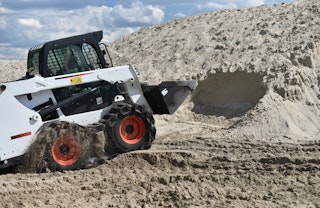
Skid Steer Safety prepares employees to recognize relevant risks, responsibilities, and safe work expectations. Key outcomes include the ability to spot ROPS/FOPS functions and correct use of restraint systems, maintain stability by managing load height and center of gravity, and spot blind spots and implement reliable spotting procedures. The material also helps learners complete pre-shift inspections of tires, tracks, and locking pins. Practical examples connect the subject to routine tasks, expected procedures, and decisions employees may need to make on the job. Learners finish with a clearer understanding of what to look for, how to respond, and when to raise a concern or seek additional guidance.
Anyone who operates or works near a skid steer loader needs skid steer safety training. That includes construction, landscaping, agriculture, public works and warehouse crews. Lack of training is a primary factor in skid steer injuries. The 15-minute video is available in English and Spanish.
The main skid steer hazards are rollovers, crushing injuries and struck-by incidents. Operators can be crushed between the lift arms and frame when entering or exiting with the arms raised. Tipping occurs with heavy raised loads or on slopes. Limited visibility puts nearby workers at risk of being run over.
Safely exiting a skid steer starts with lowering the attachment to the ground, setting the parking brake and shutting off the engine. Never climb over the controls or exit with the lift arms raised unless a lift arm support device is engaged. Use the grab handles and steps while facing the machine.
OSHA does not issue skid steer certifications, but employers are responsible for making sure skid steer operators are trained and competent. Training should cover the manufacturer's manual, controls, hazards and hands-on practice. Employers should document skid steer training and evaluate each operator on the equipment they will use.
A daily skid steer inspection should check tires or tracks, hydraulic hoses, fluid levels, the seat belt and restraint bar. Inspect the rollover and falling object protective structures too. Confirm attachment locking pins are fully engaged. Test the controls, lights, horn and safety interlocks before starting work.
Schedule a demo with one of our reps
Our extensive Learning Management System allows you to dispatch knowledge and required certificates to teams across your site portfolio.
Our platform caters to all learning styles and scenarios, ensuring effective knowledge retention.
Take control of the learning experience with our configurable class structure. Tailor the training journey to match your organizational needs.
Deliver targeted safety training regimens at every level, putting safety directly into the hands of your workforce.


Deliver more than 400 online safety courses as well as your own training with the SafetyAmp learning management system.
Easily enroll employees into training courses, whether they're in a classroom or taken online - then visualize training history and compliance across multiple locations.
SCORM-compatible
Library of 400+ courses from partner training providers
Create online training courses
Quickly view employee training history
Schedule classroom training sessions
Manage training renewals
Eliminate lost certificates
Built-in reports for training compliance

Other Courses

Build confidence for critical moments through clear Hot Work Safety: Welding, Cutting, and Brazing instruction on frequent hazards associated with welding, cutting, and brazing.

Make workplace requirements clearer. Get a practical overview of spaces using OSHA’s three-pillar criteria for bodily entry in Confined Spaces: Acceptable Entry Conditions.
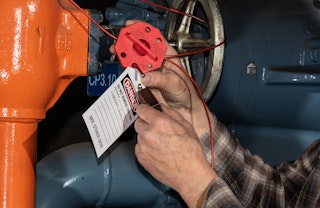
Give maintenance workers a clear six-step lockout/tagout routine, from identifying hazardous energy to verifying isolation before any work begins.


Made in the U.S.A.
© Copyright 2026