
Build confidence for critical moments with Severe Weather Safety: Prepare, Survive And Recover training on Be ready for severe weather by learning how to respond before and during.
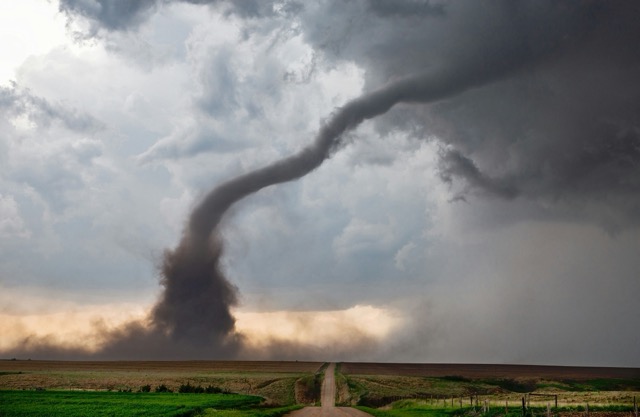
Focused on real-world application, Severe Weather Safety: Prepare, Survive And Recover turns core concepts into clear actions learners can use at work. Key outcomes include the ability to spot severe weather warning signs, build and implement emergency weather plans, and respond appropriately during severe weather events. The material also helps learners ensure safety and recovery after weather incidents. Practical examples connect the subject to routine tasks, expected procedures, and decisions employees may need to make on the job. Learners finish with a clearer understanding of what to look for, how to respond, and when to raise a concern or seek additional guidance.
Severe weather safety training is useful for every employee, plus the supervisors, floor wardens and emergency coordinators who run shelter and evacuation plans. Outdoor crews, drivers and staff in tornado, hurricane or flood-prone regions need it most. The 18-minute video, in English and Spanish, covers actions before, during and after storms.
OSHA's emergency action plan standard, 29 CFR 1910.38, sets the minimum elements when an OSHA standard requires a plan. These include procedures for reporting emergencies, evacuation, accounting for employees and an alarm system. Employers commonly fold tornado, hurricane and flood procedures into that plan. OSHA has no standalone severe weather training standard.
A severe weather watch means conditions favor a hazardous event such as a tornado or severe thunderstorm, so stay alert and ready to act. A warning means the event is happening or imminent in your area. Take protective action immediately, such as moving to shelter.
During a tornado at work, go to the designated shelter. That is usually a basement or an interior room on the lowest floor, away from windows and doors. Avoid large open-span areas like cafeterias and warehouse floors. Crouch low and cover your head and neck until the warning ends.
After lightning, wait at least 30 minutes after the last thunder before resuming outdoor work. If you can hear thunder, you are close enough to be struck, so move into an enclosed building or hard-topped vehicle. Open sheds, tents and trees do not protect you from lightning.
Schedule a demo with one of our reps
Our extensive Learning Management System allows you to dispatch knowledge and required certificates to teams across your site portfolio.
Our platform caters to all learning styles and scenarios, ensuring effective knowledge retention.
Take control of the learning experience with our configurable class structure. Tailor the training journey to match your organizational needs.
Deliver targeted safety training regimens at every level, putting safety directly into the hands of your workforce.


Deliver more than 400 online safety courses as well as your own training with the SafetyAmp learning management system.
Easily enroll employees into training courses, whether they're in a classroom or taken online - then visualize training history and compliance across multiple locations.
SCORM-compatible
Library of 400+ courses from partner training providers
Create online training courses
Quickly view employee training history
Schedule classroom training sessions
Manage training renewals
Eliminate lost certificates
Built-in reports for training compliance

Other Courses

Build confidence for critical moments through clear Hot Work Safety: Welding, Cutting, and Brazing instruction on frequent hazards associated with welding, cutting, and brazing.

Make workplace requirements clearer. Get a practical overview of spaces using OSHA’s three-pillar criteria for bodily entry in Confined Spaces: Acceptable Entry Conditions.

Give maintenance workers a clear six-step lockout/tagout routine, from identifying hazardous energy to verifying isolation before any work begins.


Made in the U.S.A.
© Copyright 2026