
Prepare employees to respond fast when thunderstorms, floods or tornadoes strike, from reading weather alerts to staying safe after the storm passes.
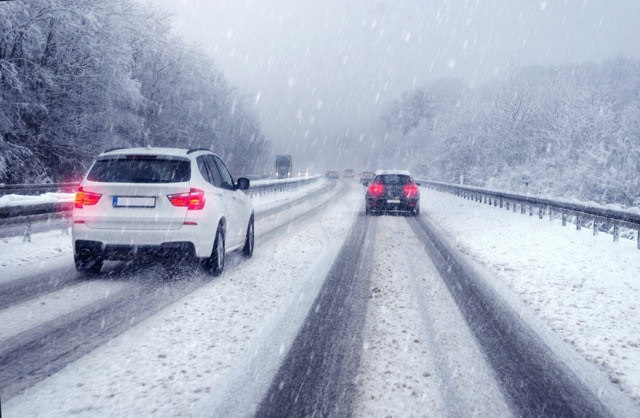
Dangerous weather often arrives with little warning. Workers who hesitate or guess wrong can be hurt on the job or on the way home. This program is for employees at any site exposed to thunderstorms, flooding or tornadoes, and for supervisors who lead the response. The course explains the difference between a weather watch and a warning, so people know when to get ready and when to act. It reviews the dangers thunderstorms bring and the risk of floods and fast-moving water. Viewers learn how to prepare for tornadoes and why a workplace emergency response plan matters. The final segment covers precautions to take once a storm has passed. The video runs 16 minutes and is available in English and Spanish. It was produced in 2003, so pair it with your current site emergency procedures and local alert sources.
Severe weather preparedness training benefits every employee at a site that can be hit by thunderstorms, floods or tornadoes, which covers most U.S. workplaces. It matters most for supervisors, floor wardens and anyone who works outdoors or drives for work, because they may need to act or direct others before help arrives.
OSHA has no standard dedicated to severe weather training. However, when another OSHA standard requires an emergency action plan under 29 CFR 1910.38, employees must be trained on that plan, and it typically addresses weather emergencies such as tornadoes. Many employers include severe weather drills in their emergency planning regardless.
A severe weather watch means conditions are favorable for a storm, tornado or flood to develop, so people should review plans and stay alert. A warning means the hazard is happening or imminent in the area, and people should take protective action immediately, such as moving to shelter or higher ground.
When a tornado warning is issued at work, stop work and move immediately to the designated shelter area, usually an interior room or hallway on the lowest floor away from windows. Stay there until an all-clear is given. Workers outdoors should get into the nearest sturdy building if they can reach it safely.
Driving through floodwater is dangerous because moving water can sweep a vehicle off the road and hide washed-out pavement or debris. Even shallow, fast-moving water can knock a person down or float a car, and depth is hard to judge. The safest rule is to turn around and find another route.
Schedule a demo with one of our reps
Our extensive Learning Management System allows you to dispatch knowledge and required certificates to teams across your site portfolio.
Our platform caters to all learning styles and scenarios, ensuring effective knowledge retention.
Take control of the learning experience with our configurable class structure. Tailor the training journey to match your organizational needs.
Deliver targeted safety training regimens at every level, putting safety directly into the hands of your workforce.


Deliver more than 400 online safety courses as well as your own training with the SafetyAmp learning management system.
Easily enroll employees into training courses, whether they're in a classroom or taken online - then visualize training history and compliance across multiple locations.
SCORM-compatible
Library of 400+ courses from partner training providers
Create online training courses
Quickly view employee training history
Schedule classroom training sessions
Manage training renewals
Eliminate lost certificates
Built-in reports for training compliance

Other Courses

Build confidence for critical moments through clear Hot Work Safety: Welding, Cutting, and Brazing instruction on frequent hazards associated with welding, cutting, and brazing.

Make workplace requirements clearer. Get a practical overview of spaces using OSHA’s three-pillar criteria for bodily entry in Confined Spaces: Acceptable Entry Conditions.

Give maintenance workers a clear six-step lockout/tagout routine, from identifying hazardous energy to verifying isolation before any work begins.


Made in the U.S.A.
© Copyright 2026