
Orient new waste and recycling hires to hazards on residential, commercial and roll-off routes, at transfer stations, and in shops and offices.

This comprehensive safety orientation program is specifically designed for new employees entering the waste management and solid waste collection industry—one of the most hazardous occupations in America. Waste collection workers face dangers from heavy equipment, moving vehicles, hazardous materials, and challenging work environments that result in injury and fatality rates significantly higher than most other industries. The primary cause of these accidents is unsafe acts by workers who may not recognize hazards or understand proper safety procedures. This orientation emphasizes that safety is everyone's responsibility and workers must actively protect themselves and their coworkers through constant vigilance and adherence to safety protocols. The training provides detailed safety protocols for different waste collection operations. For residential manual pickup, workers learn proper lifting techniques, awareness of traffic hazards, safe positioning around collection vehicles, and communication with drivers. For residential automated pickup operations, participants understand safe operation of automated arm controls, proper cart placement, and staying clear of moving mechanical components. Commercial front-end loader operations training covers approach procedures, container inspection, hydraulic system hazards, and safe hook-up and dumping techniques. The program addresses commercial roll-off operations including proper container loading, securing chains and cables, weight distribution, and safe transport procedures. Transfer station safety covers working around heavy equipment, moving loads, conveyor systems, and managing hazardous waste streams that may enter the facility. Shop safety training includes proper use of tools and equipment, machine guarding, lockout/tagout procedures, and maintenance bay hazards. Office safety addresses ergonomics, slip/trip/fall prevention, and emergency evacuation procedures. Additional topics include the company's safety and health policies, reporting procedures for injuries and near-misses, personal protective equipment requirements, hazard communication and SDS access, defensive driving principles, heat stress prevention, and the critical importance of maintaining situational awareness in this dynamic, high-hazard work environment. This orientation establishes a foundation of safety knowledge that helps new waste management workers recognize hazards, work safely, and return home injury-free each day.
A waste management safety orientation is for new employees in solid waste collection and disposal. That includes residential and commercial drivers, helpers, roll-off operators, transfer station staff, shop mechanics, and office personnel. Workers moving into a new role can use it as a refresher. The 11-minute video is available in English.
The biggest hazards for garbage collection workers are passing traffic, being struck or caught by collection vehicles, and moving hydraulic parts. Workers also face lifting strains, slips and falls, heat, and hazardous materials hidden in trash. Refuse collection consistently ranks among the most dangerous occupations in the United States.
A waste collection safety orientation should cover each type of operation: manual residential pickup, automated residential pickup, commercial front-end loaders, roll-offs, and transfer stations. It should also address shop and office safety, PPE, injury and near-miss reporting, and the company's safety and health policies.
Manual garbage pickup exposes workers to traffic, lifting strains, and stepping on and off the truck. Automated pickup reduces lifting but adds hazards from the moving arm, so drivers must keep people clear and carts placed correctly. Both require constant attention to pedestrians, vehicles, and overhead obstructions.
Waste collection workers should report a near miss to their supervisor right away, even when nobody was hurt. Near misses reveal hazards such as blind spots, damaged containers, or unsafe stops before they cause injuries. Prompt reporting lets the company fix the cause and warn other crews.
Schedule a demo with one of our reps
Our extensive Learning Management System allows you to dispatch knowledge and required certificates to teams across your site portfolio.
Our platform caters to all learning styles and scenarios, ensuring effective knowledge retention.
Take control of the learning experience with our configurable class structure. Tailor the training journey to match your organizational needs.
Deliver targeted safety training regimens at every level, putting safety directly into the hands of your workforce.


Deliver more than 400 online safety courses as well as your own training with the SafetyAmp learning management system.
Easily enroll employees into training courses, whether they're in a classroom or taken online - then visualize training history and compliance across multiple locations.
SCORM-compatible
Library of 400+ courses from partner training providers
Create online training courses
Quickly view employee training history
Schedule classroom training sessions
Manage training renewals
Eliminate lost certificates
Built-in reports for training compliance

Other Courses

Build confidence for critical moments through clear Hot Work Safety: Welding, Cutting, and Brazing instruction on frequent hazards associated with welding, cutting, and brazing.

Make workplace requirements clearer. Get a practical overview of spaces using OSHA’s three-pillar criteria for bodily entry in Confined Spaces: Acceptable Entry Conditions.
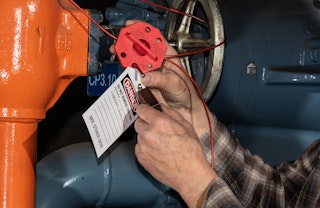
Give maintenance workers a clear six-step lockout/tagout routine, from identifying hazardous energy to verifying isolation before any work begins.


Made in the U.S.A.
© Copyright 2026