
Prepare crews who work on docks, boats or shorelines to prevent drowning, wear PFDs, avoid shock and hypothermia, and respond with rescue and first aid.
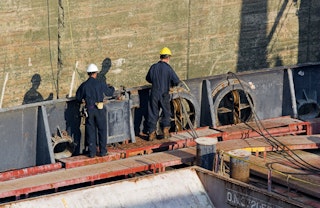
This critical safety training program addresses the unique hazards faced by workers whose jobs require them to work on or near bodies of water—including construction workers on bridges and marine structures, utility crews working near waterways, marina and dock workers, landscape maintenance personnel, and outdoor recreation staff. Working around water introduces drowning risks, environmental hazards, and safety challenges that don't exist in typical workplace settings. Participants will learn comprehensive water safety protocols including the proper selection, use, and maintenance of personal flotation devices (PFDs) appropriate for different work scenarios. The course covers U.S. Coast Guard classifications for life jackets, when each type should be worn, fit and adjustment procedures, and inspection requirements to ensure flotation devices remain serviceable and effective. The training addresses slip, trip, and fall hazards on wet surfaces such as docks, boat decks, ramps, and shorelines, along with proper footwear selection and safe walking techniques. Participants will understand electrical shock risks when working with power tools, extension cords, and electrical equipment near water, including GFCI (Ground Fault Circuit Interrupter) requirements and lockout/tagout procedures for waterfront electrical systems. Additional safety topics include cold water immersion and hypothermia prevention, water rescue techniques and emergency response procedures, safe boat boarding and disembarkation practices, weather awareness and when to suspend work due to lightning or high winds, and communication protocols for workers on vessels or remote waterfront locations. This comprehensive training ensures workers can safely perform their duties in aquatic environments while minimizing the risk of drowning, injuries, and other water-related incidents.
Dock and marina workers, bridge and marine construction crews, dam workers, and anyone working from boats need training for working on or near water. Wet docks, piers and barges create drowning, slip and electrical hazards. The 14-minute English video covers drowning, flotation devices, electrical shock, hypothermia, rescue and first aid.
In construction, OSHA 29 CFR 1926.106 requires U.S. Coast Guard-approved life jackets or buoyant work vests where workers face a drowning risk. The rule also requires ring buoys with line nearby and at least one lifesaving skiff immediately available. Flotation devices must be inspected before and after each use.
Electric shock drowning happens when electrical current leaking into the water from docks, boats or equipment paralyzes a person's muscles. The person cannot swim and may drown. Workers should never enter water near energized docks, and shore power wiring should be inspected and protected by ground-fault devices.
To rescue someone who has fallen into the water, call for help, then reach or throw before you go. Extend a pole or throw a ring buoy with line rather than jumping in. Untrained rescuers who enter the water often become victims themselves. Treat the person for hypothermia afterward.
Cold water triggers an immediate gasp and rapid breathing, known as cold shock, which can cause drowning within the first minute. Muscles then weaken within minutes, making swimming difficult. Hypothermia develops later. A personal flotation device keeps a worker who falls into cold water afloat through each stage.
Schedule a demo with one of our reps
Our extensive Learning Management System allows you to dispatch knowledge and required certificates to teams across your site portfolio.
Our platform caters to all learning styles and scenarios, ensuring effective knowledge retention.
Take control of the learning experience with our configurable class structure. Tailor the training journey to match your organizational needs.
Deliver targeted safety training regimens at every level, putting safety directly into the hands of your workforce.


Deliver more than 400 online safety courses as well as your own training with the SafetyAmp learning management system.
Easily enroll employees into training courses, whether they're in a classroom or taken online - then visualize training history and compliance across multiple locations.
SCORM-compatible
Library of 400+ courses from partner training providers
Create online training courses
Quickly view employee training history
Schedule classroom training sessions
Manage training renewals
Eliminate lost certificates
Built-in reports for training compliance

Other Courses

Build confidence for critical moments through clear Hot Work Safety: Welding, Cutting, and Brazing instruction on frequent hazards associated with welding, cutting, and brazing.

Make workplace requirements clearer. Get a practical overview of spaces using OSHA’s three-pillar criteria for bodily entry in Confined Spaces: Acceptable Entry Conditions.

Give maintenance workers a clear six-step lockout/tagout routine, from identifying hazardous energy to verifying isolation before any work begins.


Made in the U.S.A.
© Copyright 2026