
Protect your team. Get a practical overview of roll-offs and safety operations in Roll Offs and Safety Operations.
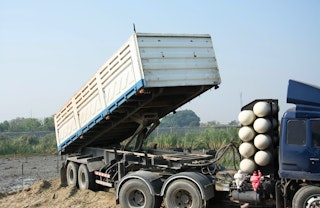
Workers can use Roll Offs and Safety Operations to strengthen the knowledge and judgment needed on the job. Key outcomes include the ability to describe the reason and essential concepts of roll offs and safety operations, spot common risks and responsibilities related to roll offs and safety operations, and use the training guidance during routine work. The material also helps learners respond appropriately when questions or unsafe conditions arise. Practical examples connect the subject to routine tasks, expected procedures, and decisions employees may need to make on the job. Learners finish with a clearer understanding of what to look for, how to respond, and when to raise a concern or seek additional guidance.
Roll-off truck safety training is for drivers who deliver, load, haul, and unload roll-off containers. Supervisors and dispatchers who plan their work also benefit. It suits waste haulers, recyclers, and construction debris services. The 13-minute video, in English, covers pre-trip inspection, loading containers, and unloading at the dump site.
Roll-off truck drivers must follow the Federal Motor Carrier Safety Regulations. Under 49 CFR 396.13, drivers must be satisfied the truck is in safe operating condition before driving. Cargo securement rules appear in 49 CFR 393 Subpart I. Most roll-off trucks are heavy enough to require a CDL.
A roll-off truck pre-trip inspection should include brakes, tires, lights, mirrors, and steering, plus the hoist, cables, hooks, hydraulic lines, and cylinders. Drivers should look for leaks, frayed cables, and damaged locks or rollers. Defects that affect safety must be repaired before the truck is dispatched again.
The main hazards of roll-off container operations include tip-overs on soft or sloped ground and overloaded or unevenly loaded containers. Hoisting near overhead power lines is another serious risk. Workers can also be struck by rolling containers or caught by cables. Keeping bystanders clear during loading and unloading prevents many injuries.
A roll-off container should be loaded with weight spread evenly and debris kept below the top rim. The truck should sit on firm, level ground before hoisting, and the container must be secured to the truck before moving. Tarping loose debris keeps material from blowing onto the road.
Schedule a demo with one of our reps
Our extensive Learning Management System allows you to dispatch knowledge and required certificates to teams across your site portfolio.
Our platform caters to all learning styles and scenarios, ensuring effective knowledge retention.
Take control of the learning experience with our configurable class structure. Tailor the training journey to match your organizational needs.
Deliver targeted safety training regimens at every level, putting safety directly into the hands of your workforce.


Deliver more than 400 online safety courses as well as your own training with the SafetyAmp learning management system.
Easily enroll employees into training courses, whether they're in a classroom or taken online - then visualize training history and compliance across multiple locations.
SCORM-compatible
Library of 400+ courses from partner training providers
Create online training courses
Quickly view employee training history
Schedule classroom training sessions
Manage training renewals
Eliminate lost certificates
Built-in reports for training compliance

Other Courses

Build confidence for critical moments through clear Hot Work Safety: Welding, Cutting, and Brazing instruction on frequent hazards associated with welding, cutting, and brazing.

Make workplace requirements clearer. Get a practical overview of spaces using OSHA’s three-pillar criteria for bodily entry in Confined Spaces: Acceptable Entry Conditions.
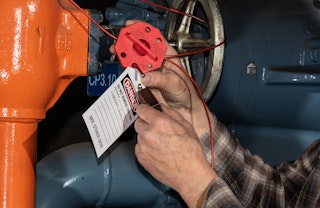
Give maintenance workers a clear six-step lockout/tagout routine, from identifying hazardous energy to verifying isolation before any work begins.


Made in the U.S.A.
© Copyright 2026