
Prepare employees who wear respirators to recognize airborne hazards, choose and fit the right device, and meet medical and fit-test requirements.
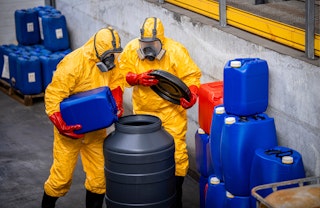
Workers will learn to navigate respiratory hazards, properly use respirators, and ensure safety under OSHA guidelines through this essential respiratory protection training program. Participants gain critical knowledge for workers, supervisors, and respiratory protection professionals who must ensure workplace safety and respiratory protection in various work environments. The program covers essential respiratory protection protocols, procedures, and comprehensive protection strategies that enhance respiratory protection effectiveness and ensure worker safety in various workplace environments. Participants will learn about respiratory protection requirements, protection procedures, and comprehensive protocols that ensure worker protection and regulatory compliance in workplace environments. The training emphasizes the importance of proper respiratory protection procedures, protection measures, and comprehensive respiratory protection programs that prevent respiratory hazards and ensure worker safety in workplace environments. Through detailed instruction on respiratory protection protocols, protection procedures, and hazard prevention strategies, participants will develop the skills necessary to implement effective respiratory protection programs that meet OSHA standards and ensure worker protection and respiratory protection in workplace operations.
Respiratory protection training is required for every employee who must wear a respirator because of airborne hazards such as dust, fumes, vapors or gases. Supervisors and program administrators also need it to manage the program. It applies across manufacturing, healthcare, construction and any operation where engineering controls cannot fully remove the hazard.
OSHA's respiratory protection standard is 29 CFR 1910.134. It requires a written respiratory protection program whenever respirators are necessary, including hazard assessment, NIOSH-certified respirator selection, medical evaluation, fit testing, training and recordkeeping. Construction work follows the same requirements through 29 CFR 1926.103, which points back to 1910.134.
OSHA requires respirator fit testing before an employee first uses a tight-fitting respirator and at least once a year after that. A new fit test is also needed when a different make, model or size is used, or when changes such as significant weight change or dental work could affect the seal.
Yes, employees must receive a medical evaluation before they are fit tested or required to use a respirator. Breathing through a respirator puts extra strain on the heart and lungs, so a physician or other licensed health care professional must confirm the employee can wear one safely. The employer pays for it.
Yes, OSHA requires respiratory protection training at least annually, and sooner when workplace conditions change, a new respirator type is introduced, or an employee shows they do not understand proper use. Training must cover why the respirator is needed, its limitations, how to inspect and put it on, and how to check the seal.
Schedule a demo with one of our reps
Our extensive Learning Management System allows you to dispatch knowledge and required certificates to teams across your site portfolio.
Our platform caters to all learning styles and scenarios, ensuring effective knowledge retention.
Take control of the learning experience with our configurable class structure. Tailor the training journey to match your organizational needs.
Deliver targeted safety training regimens at every level, putting safety directly into the hands of your workforce.


Deliver more than 400 online safety courses as well as your own training with the SafetyAmp learning management system.
Easily enroll employees into training courses, whether they're in a classroom or taken online - then visualize training history and compliance across multiple locations.
SCORM-compatible
Library of 400+ courses from partner training providers
Create online training courses
Quickly view employee training history
Schedule classroom training sessions
Manage training renewals
Eliminate lost certificates
Built-in reports for training compliance

Other Courses

Build confidence for critical moments through clear Hot Work Safety: Welding, Cutting, and Brazing instruction on frequent hazards associated with welding, cutting, and brazing.

Make workplace requirements clearer. Get a practical overview of spaces using OSHA’s three-pillar criteria for bodily entry in Confined Spaces: Acceptable Entry Conditions.
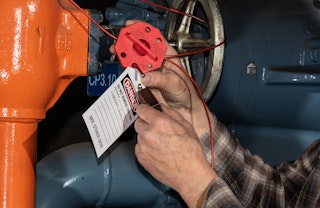
Give maintenance workers a clear six-step lockout/tagout routine, from identifying hazardous energy to verifying isolation before any work begins.


Made in the U.S.A.
© Copyright 2026