
Give remote employees and their managers practical habits for ergonomic home workspaces, time management, virtual teamwork and firm boundaries.

Remote workers will learn strategies to create boundaries and work efficiently and safely remotely when struggling to disconnect from work while working from home through this essential remote work training program. Participants gain critical knowledge for remote workers, managers, and remote work professionals who must ensure effective remote work and successful work-life balance in various work environments. The program covers essential remote work protocols, procedures, and comprehensive work strategies that enhance remote work effectiveness and ensure successful work-life balance in various workplace environments. Participants will learn about remote work requirements, work procedures, and comprehensive protocols that ensure remote work success and successful work-life balance in workplace environments. The training emphasizes the importance of proper remote work procedures, work techniques, and comprehensive remote work programs that enhance remote work effectiveness and ensure successful work-life balance in workplace environments. Through detailed instruction on remote work protocols, work strategies, and work-life balance techniques, participants will develop the skills necessary to implement effective remote work programs that meet professional standards and ensure remote work success and successful work-life balance in workplace environments.
Remote work training helps anyone who works from home full time or on a hybrid schedule, plus the managers who lead remote teams. It is especially useful for employees who struggle to disconnect after hours, work from makeshift spaces, or rely heavily on video calls and chat to collaborate.
Setting boundaries when working from home starts with defined work hours and a dedicated workspace you can step away from at the end of the day. Turn off work notifications after hours, tell your team when you are available and take real breaks. These habits keep personal time separate from work.
A home office with good ergonomics puts the monitor at about eye level and an arm's length away, keeps the keyboard and mouse near elbow height, and uses a chair that supports the lower back. Feet should rest flat on the floor or a footrest. Avoid long stretches working from a couch or bed.
Good remote work etiquette means being reliable and easy to reach during agreed hours. Join video meetings on time, mute when you are not speaking, keep your status current and answer messages promptly. Pick the right channel for each message and respect coworkers' time zones and schedules.
OSHA policy states it will not inspect home offices or hold employers liable for home office conditions. Employers that keep injury records must still record work-related injuries that happen in a home office. Good ergonomics and safe habits remain a remote employee's best protection.
Schedule a demo with one of our reps
Our extensive Learning Management System allows you to dispatch knowledge and required certificates to teams across your site portfolio.
Our platform caters to all learning styles and scenarios, ensuring effective knowledge retention.
Take control of the learning experience with our configurable class structure. Tailor the training journey to match your organizational needs.
Deliver targeted safety training regimens at every level, putting safety directly into the hands of your workforce.


Deliver more than 400 online safety courses as well as your own training with the SafetyAmp learning management system.
Easily enroll employees into training courses, whether they're in a classroom or taken online - then visualize training history and compliance across multiple locations.
SCORM-compatible
Library of 400+ courses from partner training providers
Create online training courses
Quickly view employee training history
Schedule classroom training sessions
Manage training renewals
Eliminate lost certificates
Built-in reports for training compliance

Other Courses

Build confidence for critical moments through clear Hot Work Safety: Welding, Cutting, and Brazing instruction on frequent hazards associated with welding, cutting, and brazing.

Make workplace requirements clearer. Get a practical overview of spaces using OSHA’s three-pillar criteria for bodily entry in Confined Spaces: Acceptable Entry Conditions.
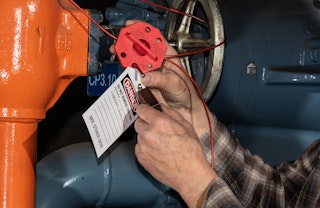
Give maintenance workers a clear six-step lockout/tagout routine, from identifying hazardous energy to verifying isolation before any work begins.


Made in the U.S.A.
© Copyright 2026