
Teach refuse truck operators and helpers rear loader pre-trip inspections, safe loading, helper safety and maintenance habits that prevent injuries.

Learn to become an expert when it comes to rear loading through this essential waste management safety training program. Participants gain critical knowledge for waste management workers, equipment operators, and safety supervisors who must ensure effective rear loader safety and successful waste management operations in various waste management environments. The program covers essential rear loader safety protocols, waste management operation procedures, and comprehensive safety strategies that enhance rear loader safety effectiveness and ensure successful waste management operations in workplace environments. Participants will learn about rear loader safety requirements, waste management operation procedures, and comprehensive protocols that ensure rear loader safety success and successful waste management operations in workplace environments. The training emphasizes the importance of proper rear loader safety procedures, waste management operation techniques, and comprehensive rear loader safety programs that enhance safety effectiveness and ensure successful waste management operations in workplace environments. Through detailed instruction on rear loader safety protocols, waste management operation strategies, and safety techniques, participants will develop the skills necessary to implement effective rear loader safety programs that meet professional standards and ensure rear loader safety success and successful waste management operations in workplace environments.
Rear loader safety training is for refuse truck drivers, helpers who load carts and bags at the back, and route supervisors. It applies to both residential and commercial waste collection. Maintenance staff who service rear loader packer mechanisms also benefit from understanding operating hazards and daily inspection routines.
A rear loader pre-trip inspection should cover brakes, tires, lights, mirrors, the backup alarm and fluid levels. Drivers should also check the packer blade, hopper, hydraulic lines, emergency stop buttons, riding steps and grab handles. Defects should be reported and fixed before the rear loader leaves the yard, as with any commercial vehicle.
Rear loader helpers risk being struck by traffic, falling from riding steps, and getting caught in the packer blade or hopper. Being backed over by their own truck is another serious risk. Lifting heavy bags and cans also causes back and shoulder strains. Helpers should stay in the driver's sight and never reach into the hopper during packing.
Drivers should back up a rear loader only when necessary, after checking mirrors and confirming where the helper is. Helpers should never ride the steps while the truck is reversing. A helper on the ground can act as a spotter in the driver's view. The 10-minute rear loader video is available in English.
Schedule a demo with one of our reps
Our extensive Learning Management System allows you to dispatch knowledge and required certificates to teams across your site portfolio.
Our platform caters to all learning styles and scenarios, ensuring effective knowledge retention.
Take control of the learning experience with our configurable class structure. Tailor the training journey to match your organizational needs.
Deliver targeted safety training regimens at every level, putting safety directly into the hands of your workforce.


Deliver more than 400 online safety courses as well as your own training with the SafetyAmp learning management system.
Easily enroll employees into training courses, whether they're in a classroom or taken online - then visualize training history and compliance across multiple locations.
SCORM-compatible
Library of 400+ courses from partner training providers
Create online training courses
Quickly view employee training history
Schedule classroom training sessions
Manage training renewals
Eliminate lost certificates
Built-in reports for training compliance

Other Courses

Build confidence for critical moments through clear Hot Work Safety: Welding, Cutting, and Brazing instruction on frequent hazards associated with welding, cutting, and brazing.

Make workplace requirements clearer. Get a practical overview of spaces using OSHA’s three-pillar criteria for bodily entry in Confined Spaces: Acceptable Entry Conditions.
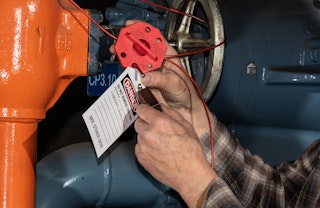
Give maintenance workers a clear six-step lockout/tagout routine, from identifying hazardous energy to verifying isolation before any work begins.


Made in the U.S.A.
© Copyright 2026