
Show employees how handwashing, sanitizing, gloves and clean clothing limit the spread of bacteria and viruses at work and at home.

Learn the proper hand hygiene practices for preventing the spread of bacteria and diseases through this essential healthcare safety training program. Participants gain critical knowledge for healthcare workers, medical personnel, and safety supervisors who must ensure effective hand hygiene and successful healthcare operations in various healthcare environments. The program covers essential hand hygiene protocols, healthcare safety procedures, and comprehensive safety strategies that enhance hand hygiene effectiveness and ensure successful healthcare operations in workplace environments. Participants will learn about hand hygiene requirements, healthcare safety procedures, and comprehensive protocols that ensure hand hygiene success and successful healthcare operations in workplace environments. The training emphasizes the importance of proper hand hygiene procedures, healthcare safety techniques, and comprehensive hand hygiene programs that enhance safety effectiveness and ensure successful healthcare operations in workplace environments. Through detailed instruction on hand hygiene protocols, healthcare safety strategies, and safety techniques, participants will develop the skills necessary to implement effective hand hygiene programs that meet professional standards and ensure hand hygiene success and successful healthcare operations in workplace environments.
Hand washing training benefits healthcare workers, food handlers, childcare staff, janitorial crews and any employee who shares tools, surfaces or restrooms. Workers who shake hands with the public, handle waste, or wear gloves also need to know when and how to clean their hands. Proper hand washing helps stop bacteria and viruses from spreading.
Wash your hands for at least 20 seconds, according to the CDC. Wet your hands with clean running water and lather soap over the backs, between the fingers and under the nails. Rinse well and dry with a clean towel or air dryer. Humming Happy Birthday twice is a common timer.
Hand sanitizer is a good backup but not a full replacement for soap and water. The CDC recommends hand sanitizer with at least 60 percent alcohol when washing isn't possible. Sanitizer works poorly on visibly dirty or greasy hands and does not remove all germs or chemicals.
No, gloves do not replace hand washing. Hands can become contaminated through small tears or while gloves are removed. Workers should wash after taking gloves off and change gloves between tasks. In healthcare and other jobs with blood exposure, OSHA's bloodborne pathogens standard requires hand washing after glove removal.
Wash your hands at work after using the restroom, before eating or handling food, and after touching garbage. Also wash after coughing or sneezing, after touching shared surfaces, and before and after patient care. The 14-minute video on hand washing and bacteria is available in English.
Schedule a demo with one of our reps
Our extensive Learning Management System allows you to dispatch knowledge and required certificates to teams across your site portfolio.
Our platform caters to all learning styles and scenarios, ensuring effective knowledge retention.
Take control of the learning experience with our configurable class structure. Tailor the training journey to match your organizational needs.
Deliver targeted safety training regimens at every level, putting safety directly into the hands of your workforce.


Deliver more than 400 online safety courses as well as your own training with the SafetyAmp learning management system.
Easily enroll employees into training courses, whether they're in a classroom or taken online - then visualize training history and compliance across multiple locations.
SCORM-compatible
Library of 400+ courses from partner training providers
Create online training courses
Quickly view employee training history
Schedule classroom training sessions
Manage training renewals
Eliminate lost certificates
Built-in reports for training compliance

Other Courses

Build confidence for critical moments through clear Hot Work Safety: Welding, Cutting, and Brazing instruction on frequent hazards associated with welding, cutting, and brazing.

Make workplace requirements clearer. Get a practical overview of spaces using OSHA’s three-pillar criteria for bodily entry in Confined Spaces: Acceptable Entry Conditions.
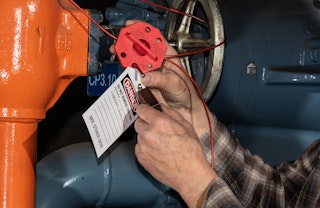
Give maintenance workers a clear six-step lockout/tagout routine, from identifying hazardous energy to verifying isolation before any work begins.


Made in the U.S.A.
© Copyright 2026