
Learn to safely operate power presses and comply with essential OSHA regulations to prevent injury.
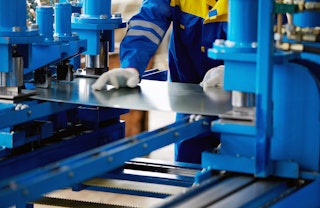
Workers will learn to safely operate power presses and comply with essential OSHA regulations to prevent injury through this critical safety training program. Participants gain essential knowledge for workers, supervisors, and safety professionals who must ensure workplace safety and power press safety in various work environments. The program covers critical power press safety protocols, procedures, and comprehensive safety measures that prevent power press accidents and ensure worker protection during power press operations and maintenance activities in various workplace environments. Participants will learn about power press safety requirements, safety procedures, and comprehensive protocols that ensure worker protection and regulatory compliance in workplace environments. The training emphasizes the importance of proper power press safety procedures, safety measures, and comprehensive safety programs that prevent power press accidents and ensure worker safety in workplace environments. Through detailed instruction on power press safety protocols, safety procedures, and hazard prevention strategies, participants will develop the skills necessary to implement effective power press safety programs that meet OSHA standards and ensure worker protection and power press safety in workplace operations.
Power press hazards may be both physical, like flying debris, and operational, including crushing and amputation at the "point of operation". According to OSHA, about half of all injuries from these machines result in an amputation.
A pre-shift inspection is a routine check of a machine and its safety devices before you begin work. It is vital because it helps you recognize possible hazards, like damage or malfunctions, that could lead to an accident.
The "point of operation" is the area where the machine performs its work, like cutting, shaping, and forming. This is considered the most dangerous area on the machine, as it's where the most serious risks, including crushing, amputation, and even death, can take place.
Typical safety controls cover physical guards, including barrier and die enclosure guards, and presence-sensing devices, like "light curtains". The press may also be equipped with an easily accessible Red Stop Button and two-hand controls.
Lockout/Tagout, or LOTO, is a critical safety procedure that prevents machines from accidentally activating during maintenance or repairs. It requires workers to shut down all energy sources and apply a lock and tag to ensure the equipment cannot be turned back on.
Schedule a demo with one of our reps
Our extensive Learning Management System allows you to dispatch knowledge and required certificates to teams across your site portfolio.
Our platform caters to all learning styles and scenarios, ensuring effective knowledge retention.
Take control of the learning experience with our configurable class structure. Tailor the training journey to match your organizational needs.
Deliver targeted safety training regimens at every level, putting safety directly into the hands of your workforce.


Deliver more than 400 online safety courses as well as your own training with the SafetyAmp learning management system.
Easily enroll employees into training courses, whether they're in a classroom or taken online - then visualize training history and compliance across multiple locations.
SCORM-compatible
Library of 400+ courses from partner training providers
Create online training courses
Quickly view employee training history
Schedule classroom training sessions
Manage training renewals
Eliminate lost certificates
Built-in reports for training compliance

Other Courses

Strengthen day-to-day performance with Diversity in the Workplace: Candid Conversations training on diversity, inclusion, equity, and protections against discrimination.

Protect your team. Get a practical overview of dog bite prevention techniques for secure and friendly interaction in Dog Bite Prevention (Public Agency).
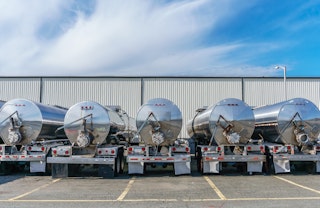
This training discusses the Department of Transportation's guidelines on the transportation of hazardous materials.


Made in the U.S.A.
© Copyright 2026