
Prepare drivers and shippers to identify hazmat placards and follow DOT rules for registering, parking, fueling and driving hazmat vehicles.
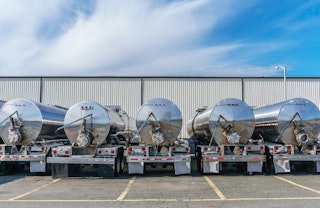
This comprehensive DOT safety training course discusses the Department of Transportation guidelines on the transportation of hazardous materials, providing essential knowledge for compliance with federal regulations and safety standards. The course covers DOT regulations, proper handling procedures, transportation protocols, and comprehensive safety measures that ensure the safe and compliant transport of hazardous materials. Participants will learn to implement DOT-compliant programs, understand regulatory requirements, and develop comprehensive safety protocols that protect workers, the public, and the environment while maintaining full regulatory compliance.
DOT hazardous materials training is for CDL drivers who haul placarded loads, plus anyone who loads, unloads, packages, labels, or prepares hazmat shipping papers. Federal rules call these workers hazmat employees. Fleet managers and dispatchers who handle registration, permits, and parking rules also benefit.
Hazmat employee training is required by 49 CFR Part 172 Subpart H. Employers must provide general awareness, function-specific, safety, and security awareness training, then test and certify each employee. Training must occur within 90 days of starting hazmat duties and be repeated at least every three years. Drivers also need training under 49 CFR 177.816.
Yes, drivers need a hazmat endorsement on their CDL to haul hazardous materials in amounts that require placards. Earning the endorsement means passing a hazmat knowledge test and a TSA security threat assessment. Carriers also need a USDOT number, and those hauling certain high-risk materials need an FMCSA hazardous materials safety permit.
A hazmat placard is a diamond-shaped sign showing the hazard class of a vehicle's cargo. Its color, symbol, and class number tell emergency responders what the load could do in a crash or spill. Placarded vehicles must display the correct placard on both sides and both ends.
Hazmat vehicles face strict parking and fueling rules. The engine must be off during fueling, and a person must stay in control of the fueling at the nozzle. Parking near open fires or on the traveled road is restricted. The 10-minute video, offered in English, Spanish and French, explains these DOT rules.
Schedule a demo with one of our reps
Our extensive Learning Management System allows you to dispatch knowledge and required certificates to teams across your site portfolio.
Our platform caters to all learning styles and scenarios, ensuring effective knowledge retention.
Take control of the learning experience with our configurable class structure. Tailor the training journey to match your organizational needs.
Deliver targeted safety training regimens at every level, putting safety directly into the hands of your workforce.


Deliver more than 400 online safety courses as well as your own training with the SafetyAmp learning management system.
Easily enroll employees into training courses, whether they're in a classroom or taken online - then visualize training history and compliance across multiple locations.
SCORM-compatible
Library of 400+ courses from partner training providers
Create online training courses
Quickly view employee training history
Schedule classroom training sessions
Manage training renewals
Eliminate lost certificates
Built-in reports for training compliance

Other Courses

Build confidence for critical moments through clear Hot Work Safety: Welding, Cutting, and Brazing instruction on frequent hazards associated with welding, cutting, and brazing.

Make workplace requirements clearer. Get a practical overview of spaces using OSHA’s three-pillar criteria for bodily entry in Confined Spaces: Acceptable Entry Conditions.

Give maintenance workers a clear six-step lockout/tagout routine, from identifying hazardous energy to verifying isolation before any work begins.


Made in the U.S.A.
© Copyright 2026