
Prepare hospital decon teams to mobilize fast and safely decontaminate ambulatory and non-ambulatory patients after hazmat or mass-casualty events.
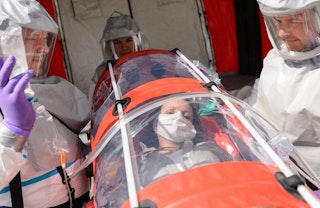
Learn essential patient decontamination techniques and enhance your team safety protocol while minimizing the risk of exposure through this essential emergency response training program. Participants gain critical knowledge for emergency responders, healthcare workers, and safety supervisors who must ensure effective patient decontamination and successful emergency response operations in various emergency environments. The program covers essential patient decontamination protocols, emergency response procedures, and comprehensive safety strategies that enhance patient decontamination effectiveness and ensure successful emergency response operations in workplace environments. Participants will learn about patient decontamination requirements, emergency response procedures, and comprehensive protocols that ensure patient decontamination success and successful emergency response operations in workplace environments. The training emphasizes the importance of proper patient decontamination procedures, emergency response techniques, and comprehensive patient decontamination programs that enhance safety effectiveness and ensure successful emergency response operations in workplace environments. Through detailed instruction on patient decontamination protocols, emergency response strategies, and safety techniques, participants will develop the skills necessary to implement effective patient decontamination programs that meet professional standards and ensure patient decontamination success and successful emergency response operations in workplace environments.
Patient decontamination training is for hospital emergency department staff, nurses, security officers, facilities staff and other members of a hospital decon team. These first receivers must handle large numbers of contaminated patients after a hazmat release, terrorist attack or natural disaster. Patient decontamination training works for both new teams and refresher training.
Hospital decontamination planning follows The Joint Commission's emergency management accreditation standards. OSHA's guidance for hospital-based first receivers applies HAZWOPER emergency response training rules, 29 CFR 1910.120(q), to decon team members. Decon staff who wear respirators must also meet OSHA's respiratory protection standard, 29 CFR 1910.134.
Non-ambulatory patients are decontaminated on backboards or litters by trained staff wearing protective equipment. The team removes the patient's clothing and washes from head to toe with water and mild soap while protecting the airway. The patient is then moved to a clean surface on the clean side of the decon line.
Hospitals protect patient modesty during decontamination with separate or screened areas for men and women, privacy curtains, and gowns or covers after washing. In cold weather, heated tents, warm water and blankets help prevent hypothermia. Personal belongings are bagged and labeled so they can be returned or held as evidence.
After patient decontamination, patients are re-triaged and moved to the clean treatment area while their bagged belongings are tracked. The decon team then cleans equipment, decontaminates themselves, removes PPE safely and gets checked medically. The 27-minute English video addresses post-decon activities and how triage fits into the decon process.
Schedule a demo with one of our reps
Our extensive Learning Management System allows you to dispatch knowledge and required certificates to teams across your site portfolio.
Our platform caters to all learning styles and scenarios, ensuring effective knowledge retention.
Take control of the learning experience with our configurable class structure. Tailor the training journey to match your organizational needs.
Deliver targeted safety training regimens at every level, putting safety directly into the hands of your workforce.


Deliver more than 400 online safety courses as well as your own training with the SafetyAmp learning management system.
Easily enroll employees into training courses, whether they're in a classroom or taken online - then visualize training history and compliance across multiple locations.
SCORM-compatible
Library of 400+ courses from partner training providers
Create online training courses
Quickly view employee training history
Schedule classroom training sessions
Manage training renewals
Eliminate lost certificates
Built-in reports for training compliance

Other Courses

Build confidence for critical moments through clear Hot Work Safety: Welding, Cutting, and Brazing instruction on frequent hazards associated with welding, cutting, and brazing.

Make workplace requirements clearer. Get a practical overview of spaces using OSHA’s three-pillar criteria for bodily entry in Confined Spaces: Acceptable Entry Conditions.

Give maintenance workers a clear six-step lockout/tagout routine, from identifying hazardous energy to verifying isolation before any work begins.


Made in the U.S.A.
© Copyright 2026