
Strengthen day-to-day performance with Loading Docks: Safe Work Practices training focused on loading dock safety practices to avoid common hazards and comply with OSHA standards.

Loading Docks: Safe Work Practices gives learners a practical foundation for making safer, more informed decisions. Key outcomes include the ability to describe the reason and essential concepts of loading docks: safe work practices, spot common risks and responsibilities related to loading docks: safe work practices, and use the training guidance during routine work. The material also helps learners respond appropriately when questions or unsafe conditions arise. Practical examples connect the subject to routine tasks, expected procedures, and decisions employees may need to make on the job. Learners finish with a clearer understanding of what to look for, how to respond, and when to raise a concern or seek additional guidance.
Loading dock safety training is needed by forklift operators, dock workers, truck drivers, shipping and receiving staff and supervisors who work around dock bays. Pedestrians who pass through the area face risks too. Everyone on a dock shares responsibility, because one mistake can put a forklift, trailer and worker in danger together.
Several OSHA standards apply to loading docks. The powered industrial truck standard, 29 CFR 1910.178, requires truck brakes to be set and wheel chocks placed while forklifts board trailers, and it requires operator training and evaluation. Dockboards are covered by 29 CFR 1910.26, which addresses load capacity and securing plates against movement.
The most common loading dock hazards include forklifts driving off the dock edge, trailers moving away from the dock during loading, and forklifts striking pedestrians. Other risks are falls from the dock, unsecured or overloaded dockboards, falling loads and slippery surfaces. Heavy, mixed traffic makes every one of these more likely.
A loading dock separation accident happens when a trailer moves away from the dock while a forklift is driving in or out. Causes include early departure by the driver, trailer creep from repeated forklift impacts and landing gear collapse. Wheel chocks, vehicle restraints and clear communication between drivers and dock staff prevent them.
Pedestrians stay safest on a loading dock by using marked walkways, keeping out of forklift travel lanes and making eye contact with operators before crossing. They should stay clear of open dock edges and never stand between a backing truck and the dock. High-visibility clothing helps operators see them in busy areas.
Schedule a demo with one of our reps
Our extensive Learning Management System allows you to dispatch knowledge and required certificates to teams across your site portfolio.
Our platform caters to all learning styles and scenarios, ensuring effective knowledge retention.
Take control of the learning experience with our configurable class structure. Tailor the training journey to match your organizational needs.
Deliver targeted safety training regimens at every level, putting safety directly into the hands of your workforce.


Deliver more than 400 online safety courses as well as your own training with the SafetyAmp learning management system.
Easily enroll employees into training courses, whether they're in a classroom or taken online - then visualize training history and compliance across multiple locations.
SCORM-compatible
Library of 400+ courses from partner training providers
Create online training courses
Quickly view employee training history
Schedule classroom training sessions
Manage training renewals
Eliminate lost certificates
Built-in reports for training compliance

Other Courses

Build confidence for critical moments through clear Hot Work Safety: Welding, Cutting, and Brazing instruction on frequent hazards associated with welding, cutting, and brazing.

Make workplace requirements clearer. Get a practical overview of spaces using OSHA’s three-pillar criteria for bodily entry in Confined Spaces: Acceptable Entry Conditions.
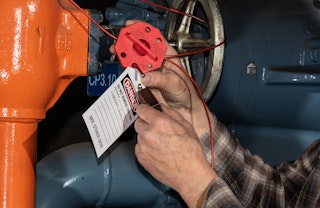
Give maintenance workers a clear six-step lockout/tagout routine, from identifying hazardous energy to verifying isolation before any work begins.


Made in the U.S.A.
© Copyright 2026