
Protect your team through clear Knife Safety in the Workplace instruction on how to safely handle knives in the workplace.

The Knife Safety in the Workplace program builds practical awareness and supports consistent workplace decisions. Key outcomes include the ability to describe show safe knife handling, describe spot work environment knife risks, and maintain knife safety. The material also helps learners foster awareness culture. Practical examples connect the subject to routine tasks, expected procedures, and decisions employees may need to make on the job. Learners finish with a clearer understanding of what to look for, how to respond, and when to raise a concern or seek additional guidance.
Knife safety training is for workers who use utility knives, box cutters or fixed blades on the job. Examples include warehouse and receiving staff, packers, food processing and meat cutting crews, retail stockers and maintenance technicians. The 15-minute English video covers cutting technique, blade condition, cut-resistant gloves and storage.
OSHA does not name cut-resistant gloves specifically. However, 29 CFR 1910.138 requires employers to select and require appropriate hand protection when hands face severe cuts or lacerations. For regular knife work, that usually means gloves rated on the ANSI/ISEA 105 cut scale.
A dull knife is more dangerous than a sharp one because it takes more force to cut. Extra force makes the blade more likely to slip or jump toward your hand or body. Replace or sharpen blades as soon as cutting gets harder, and consider self-retracting utility knives.
Safe knife use at work starts with cutting away from your body and keeping your free hand out of the blade's path. Use a stable surface and keep blades sharp. Retract or sheath the blade after every cut, and never use a knife as a pry bar or screwdriver.
If you cut yourself with a knife at work, apply firm, direct pressure with a clean cloth or bandage. Raise the injured area if possible. Report the injury to your supervisor. Get medical care for deep or gaping cuts, numbness or weakness, or bleeding that will not stop.
Schedule a demo with one of our reps
Our extensive Learning Management System allows you to dispatch knowledge and required certificates to teams across your site portfolio.
Our platform caters to all learning styles and scenarios, ensuring effective knowledge retention.
Take control of the learning experience with our configurable class structure. Tailor the training journey to match your organizational needs.
Deliver targeted safety training regimens at every level, putting safety directly into the hands of your workforce.


Deliver more than 400 online safety courses as well as your own training with the SafetyAmp learning management system.
Easily enroll employees into training courses, whether they're in a classroom or taken online - then visualize training history and compliance across multiple locations.
SCORM-compatible
Library of 400+ courses from partner training providers
Create online training courses
Quickly view employee training history
Schedule classroom training sessions
Manage training renewals
Eliminate lost certificates
Built-in reports for training compliance

Other Courses

Build confidence for critical moments through clear Hot Work Safety: Welding, Cutting, and Brazing instruction on frequent hazards associated with welding, cutting, and brazing.

Make workplace requirements clearer. Get a practical overview of spaces using OSHA’s three-pillar criteria for bodily entry in Confined Spaces: Acceptable Entry Conditions.
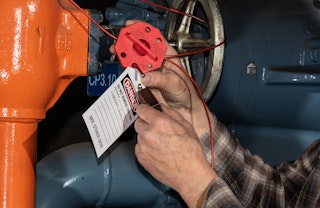
Give maintenance workers a clear six-step lockout/tagout routine, from identifying hazardous energy to verifying isolation before any work begins.


Made in the U.S.A.
© Copyright 2026