
Motivate frontline workers to resist shortcuts and speak up about unsafe acts through a survivor's true story of a workplace fire that killed a coworker.
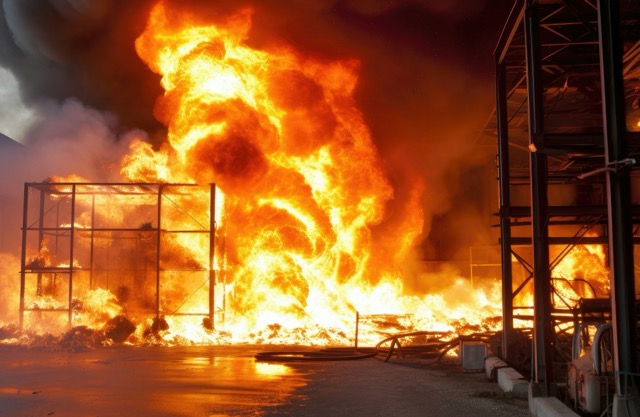
This powerful real-life story follows Brad Livingston, who suffered a serious workplace injury that changed his life in an instant. Through Brad's compelling personal testimony and candid reflections, participants witness the devastating consequences of taking safety shortcuts and making poor decisions on the job. The program examines the moments leading up to Brad's accident, the split-second choices that led to his injury, and the long-term physical, emotional, and financial impacts on Brad and his family. Brad shares his painful journey of recovery and the lessons he learned about the true cost of not following safety procedures. This emotionally resonant training emphasizes that accidents happen in just a second, but their consequences last a lifetime. Participants will understand the critical importance of maintaining proper safety perspective every single day, never becoming complacent or taking shortcuts no matter how routine a task may seem, following all safety procedures and using required personal protective equipment, and speaking up when they see unsafe conditions or behaviors. Brad's story serves as a powerful reminder that every worker has the responsibility to work safely and return home to their families each day.
The Brad Livingston story suits frontline workers, crew leads and supervisors in any industry with serious hazards. Fire, explosion and hazardous energy risks make it especially relevant. It works well for safety kickoffs and culture programs. The 21-minute video is available in English and Spanish.
Brad Livingston broke procedure, joined in a shortcut and went along with a coworker's unsafe actions. Within seconds he was engulfed in flames. The incident killed a coworker, left Brad with life-changing injuries, and caused lasting trauma for his wife and three young daughters.
Workers should speak up when a coworker takes a shortcut because silence works like approval, and the hazard often reaches everyone nearby. Brad Livingston's story shows how condoning one unsafe act can cost a life. A quick, respectful request to do it the right way can stop an incident.
Personal safety stories improve safety culture by turning rules into consequences people remember. Hearing an injured worker describe the choices, pain and family impact makes shortcuts feel real. Pair the video with a group discussion of shortcuts at your own site to turn emotion into action.
Maintaining a safety perspective at work means keeping the real stakes in view every day, not just after an incident. It includes refusing shortcuts on routine tasks, using required PPE, and remembering the family waiting at home. Complacency grows when a familiar job stops feeling dangerous.
Schedule a demo with one of our reps
Our extensive Learning Management System allows you to dispatch knowledge and required certificates to teams across your site portfolio.
Our platform caters to all learning styles and scenarios, ensuring effective knowledge retention.
Take control of the learning experience with our configurable class structure. Tailor the training journey to match your organizational needs.
Deliver targeted safety training regimens at every level, putting safety directly into the hands of your workforce.


Deliver more than 400 online safety courses as well as your own training with the SafetyAmp learning management system.
Easily enroll employees into training courses, whether they're in a classroom or taken online - then visualize training history and compliance across multiple locations.
SCORM-compatible
Library of 400+ courses from partner training providers
Create online training courses
Quickly view employee training history
Schedule classroom training sessions
Manage training renewals
Eliminate lost certificates
Built-in reports for training compliance

Other Courses

Build confidence for critical moments through clear Hot Work Safety: Welding, Cutting, and Brazing instruction on frequent hazards associated with welding, cutting, and brazing.

Make workplace requirements clearer. Get a practical overview of spaces using OSHA’s three-pillar criteria for bodily entry in Confined Spaces: Acceptable Entry Conditions.
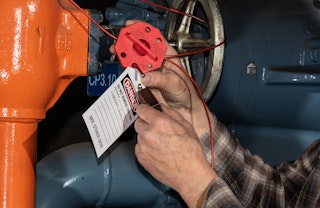
Give maintenance workers a clear six-step lockout/tagout routine, from identifying hazardous energy to verifying isolation before any work begins.


Made in the U.S.A.
© Copyright 2026