
Reduce workplace risk with Industrial Ergonomics: Workplace Design and Safety training focused on industrial ergonomics to design safer workplaces.

Industrial Ergonomics: Workplace Design and Safety gives learners a practical foundation for making safer, more informed decisions. Key outcomes include the ability to describe industrial ergonomics to design safer workplaces, summarize how improper ergonomics can lead to MSK injuries, and spot MSK injuries including carpal tunnel and rotator cuff. The material also helps learners describe highlight high-risk job areas and value of ergonomics in reducing injuries. Practical examples connect the subject to routine tasks, expected procedures, and decisions employees may need to make on the job. Learners finish with a clearer understanding of what to look for, how to respond, and when to raise a concern or seek additional guidance.
Industrial ergonomics training benefits production workers, laborers and freight movers, maintenance and repair technicians, warehouse staff, and first responders, all of whom face high musculoskeletal injury risk. Supervisors and engineers who design workstations and tasks need it too, since fixing the job design prevents more injuries than individual effort alone.
No, federal OSHA has no specific ergonomics standard; its 2000 ergonomics rule was repealed by Congress in 2001. OSHA can still cite serious ergonomic hazards under the General Duty Clause. California has its own repetitive motion injury standard, Title 8 Section 5110, which requires certain employers to evaluate jobs and train workers.
Common musculoskeletal disorders from industrial work include carpal tunnel syndrome, trigger finger, tendinitis, rotator cuff injuries, muscle strains and lower back injuries. These disorders damage soft tissues and nerves, and they often develop gradually from repetitive motion, forceful exertion, awkward postures or vibration over months or years.
The main ergonomic risk factors at work are repetitive motions, forceful exertions, awkward or static postures, contact stress, vibration and heavy lifting. Risk rises when several factors combine and when there is little recovery time. Reducing them through workstation design, lift aids and job rotation lowers the chance of a career-ending injury.
A workplace can be redesigned to reduce ergonomic injuries by adjusting work surface heights to suit the task, keeping frequently used items within easy reach, adding lift assists or conveyors, and using tools with better grips. Rotating tasks and building in recovery time also help. The goal is to fit the job to the worker.
Schedule a demo with one of our reps
Our extensive Learning Management System allows you to dispatch knowledge and required certificates to teams across your site portfolio.
Our platform caters to all learning styles and scenarios, ensuring effective knowledge retention.
Take control of the learning experience with our configurable class structure. Tailor the training journey to match your organizational needs.
Deliver targeted safety training regimens at every level, putting safety directly into the hands of your workforce.


Deliver more than 400 online safety courses as well as your own training with the SafetyAmp learning management system.
Easily enroll employees into training courses, whether they're in a classroom or taken online - then visualize training history and compliance across multiple locations.
SCORM-compatible
Library of 400+ courses from partner training providers
Create online training courses
Quickly view employee training history
Schedule classroom training sessions
Manage training renewals
Eliminate lost certificates
Built-in reports for training compliance

Other Courses
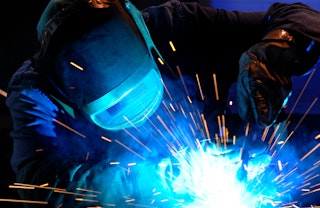
Build confidence for critical moments through clear Hot Work Safety: Welding, Cutting, and Brazing instruction on frequent hazards associated with welding, cutting, and brazing.

Make workplace requirements clearer. Get a practical overview of spaces using OSHA’s three-pillar criteria for bodily entry in Confined Spaces: Acceptable Entry Conditions.
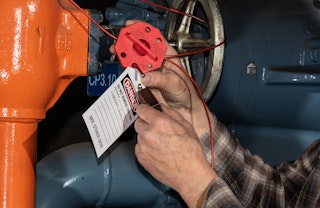
Give maintenance workers a clear six-step lockout/tagout routine, from identifying hazardous energy to verifying isolation before any work begins.


Made in the U.S.A.
© Copyright 2026