
Use a 4-minute music video to remind workers how distracted walking, spills, poor housekeeping, bad footwear and ladder misuse lead to slips and falls.
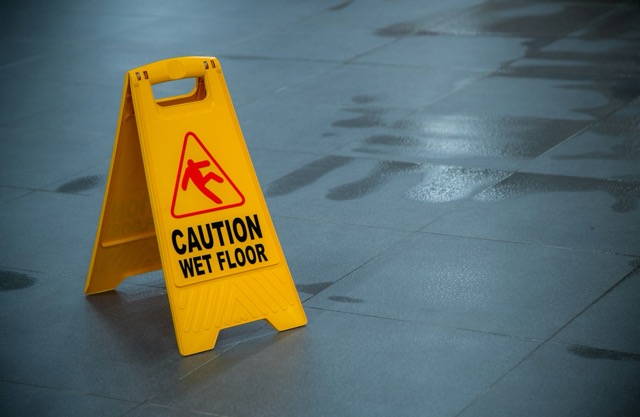
Slips, trips, and falls are among the most common workplace injuries, causing thousands of accidents every year. This entertaining music video training program uses catchy music and memorable visuals to teach essential safety lessons about preventing these everyday hazards. Through engaging storytelling set to music, participants will recognize common causes of slips, trips, and falls including wet surfaces, poor housekeeping, obstacles in walkways, and improper footwear. The program emphasizes the dangers of distracted walking while using phones or carrying items that block vision, the importance of maintaining clean, organized work areas free of clutter and debris, why proper footwear with good traction is essential for preventing slips, safe ladder use and the risks of using makeshift climbing aids, and staying focused on the walking path instead of rushing or becoming distracted. This unique format makes safety training memorable and engaging, helping workers retain crucial information about avoiding slip, trip, and fall hazards. By recognizing and controlling these common risks, employees can prevent painful injuries and create safer workplaces for everyone.
Slip, trip and fall training suits every worker, because these hazards appear in offices, warehouses, kitchens, plants and parking lots. The 4-minute English music video uses custom lyrics inspired by the song Satisfaction. It works well as a safety meeting opener or a quick refresher for experienced crews.
OSHA's walking-working surfaces standard, 29 CFR 1910.22, requires floors and walkways to be kept clean, orderly and, where feasible, dry. Surfaces must be free of hazards such as spills, sharp objects and loose boards. Ladder requirements appear in 29 CFR 1910.23, and construction sites follow 29 CFR 1926.
Most slips, trips and falls at work come from wet or contaminated floors, clutter in walkways, poor lighting and unsuitable footwear. Behavior matters too. Running, reading a phone while walking, and carrying loads that block vision all raise the risk. So does standing on chairs or boxes instead of a ladder.
Preventing slips, trips and falls at work starts with good housekeeping: clean spills immediately, keep aisles clear and route cords away from walkways. Wear slip-resistant shoes, watch where you are going, walk rather than run, and use the right ladder for any work above floor level.
Schedule a demo with one of our reps
Our extensive Learning Management System allows you to dispatch knowledge and required certificates to teams across your site portfolio.
Our platform caters to all learning styles and scenarios, ensuring effective knowledge retention.
Take control of the learning experience with our configurable class structure. Tailor the training journey to match your organizational needs.
Deliver targeted safety training regimens at every level, putting safety directly into the hands of your workforce.


Deliver more than 400 online safety courses as well as your own training with the SafetyAmp learning management system.
Easily enroll employees into training courses, whether they're in a classroom or taken online - then visualize training history and compliance across multiple locations.
SCORM-compatible
Library of 400+ courses from partner training providers
Create online training courses
Quickly view employee training history
Schedule classroom training sessions
Manage training renewals
Eliminate lost certificates
Built-in reports for training compliance

Other Courses

Build confidence for critical moments through clear Hot Work Safety: Welding, Cutting, and Brazing instruction on frequent hazards associated with welding, cutting, and brazing.

Make workplace requirements clearer. Get a practical overview of spaces using OSHA’s three-pillar criteria for bodily entry in Confined Spaces: Acceptable Entry Conditions.

Give maintenance workers a clear six-step lockout/tagout routine, from identifying hazardous energy to verifying isolation before any work begins.


Made in the U.S.A.
© Copyright 2026