
Build confidence for better decisions. Get a practical overview of high blood pressure in High Blood Pressure.

Workers can use High Blood Pressure to strengthen the knowledge and judgment needed on the job. Key outcomes include the ability to describe the reason and essential concepts of high blood pressure, spot common risks and responsibilities related to high blood pressure, and use the training guidance during routine work. The material also helps learners respond appropriately when questions or unsafe conditions arise. Practical examples connect the subject to routine tasks, expected procedures, and decisions employees may need to make on the job. Learners finish with a clearer understanding of what to look for, how to respond, and when to raise a concern or seek additional guidance.
High blood pressure awareness training suits almost any workforce, since hypertension is common and often goes unnoticed. It fits well in wellness programs and suits sedentary or high-stress jobs. Commercial drivers benefit too, since DOT physicals include blood pressure checks. The 10-minute video is available in English.
High blood pressure usually has no symptoms, which is why it is often called a silent condition. Many people have it for years without knowing. Regular blood pressure checks at a doctor's office, pharmacy, or at home are the only reliable way to catch it before it causes damage.
Under American Heart Association and American College of Cardiology guidelines, a reading of 130/80 mmHg or higher is considered high blood pressure. Normal is below 120/80. Readings of 120 to 129 systolic with diastolic below 80 are classified as elevated. A doctor confirms hypertension using several readings.
High blood pressure is linked to several risk factors, including a high-sodium diet, physical inactivity, excess weight, tobacco use, and heavy drinking. Age, family history, and conditions such as diabetes and kidney disease also raise risk. In many people, high blood pressure develops gradually with no single identifiable cause.
Uncontrolled high blood pressure damages artery walls over time and raises the risk of heart attack, heart failure, and stroke. Heart disease and stroke are among the leading causes of death in the United States. Hypertension can also harm the kidneys and eyes. Treatment and lifestyle changes reduce these risks.
Schedule a demo with one of our reps
Our extensive Learning Management System allows you to dispatch knowledge and required certificates to teams across your site portfolio.
Our platform caters to all learning styles and scenarios, ensuring effective knowledge retention.
Take control of the learning experience with our configurable class structure. Tailor the training journey to match your organizational needs.
Deliver targeted safety training regimens at every level, putting safety directly into the hands of your workforce.


Deliver more than 400 online safety courses as well as your own training with the SafetyAmp learning management system.
Easily enroll employees into training courses, whether they're in a classroom or taken online - then visualize training history and compliance across multiple locations.
SCORM-compatible
Library of 400+ courses from partner training providers
Create online training courses
Quickly view employee training history
Schedule classroom training sessions
Manage training renewals
Eliminate lost certificates
Built-in reports for training compliance

Other Courses

Build confidence for critical moments through clear Hot Work Safety: Welding, Cutting, and Brazing instruction on frequent hazards associated with welding, cutting, and brazing.

Make workplace requirements clearer. Get a practical overview of spaces using OSHA’s three-pillar criteria for bodily entry in Confined Spaces: Acceptable Entry Conditions.
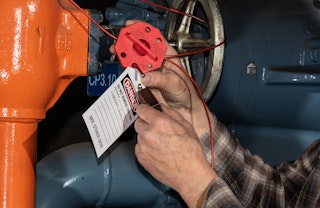
Give maintenance workers a clear six-step lockout/tagout routine, from identifying hazardous energy to verifying isolation before any work begins.


Made in the U.S.A.
© Copyright 2026