
Protect your team through clear Heat Stress: Employee Safety in Construction instruction on risk factors, dangers, and safe practices for working in hot or humid environments.

The Heat Stress: Employee Safety in Construction program builds practical awareness and supports consistent workplace decisions. Key outcomes include the ability to spot risk factors of heat exposure, describe dangers of heat exposure, and describe explore safe work practices. The material also helps learners spot possible hazards and physiological considerations. Practical examples connect the subject to routine tasks, expected procedures, and decisions employees may need to make on the job. Learners finish with a clearer understanding of what to look for, how to respond, and when to raise a concern or seek additional guidance.
Every construction worker exposed to hot or humid conditions, direct sun or heavy physical work needs heat stress training, along with the supervisors who plan work schedules. New and returning workers who are not yet acclimatized face the highest risk, as do crews working near hot equipment, roofing or asphalt.
Heat stress is enforced federally under the OSH Act's General Duty Clause, and OSHA has proposed a dedicated heat injury and illness prevention standard. California, Washington, Oregon and Maryland already have state heat rules that require measures such as training, water, shade and rest. Check which rules apply in each state where crews work.
Heat exhaustion causes heavy sweating, weakness, dizziness, headache, nausea and cool, clammy skin. Heat stroke is a medical emergency marked by confusion, slurred speech, fainting or seizures, and very high body temperature. Call 911 for suspected heat stroke and cool the worker immediately with water or ice while waiting.
Construction workers can prevent heat-related illness by drinking water frequently, taking rest breaks in shade, wearing light breathable clothing, and building up heat tolerance gradually over the first week or two. Supervisors should schedule heavy tasks for cooler hours and use a buddy system so coworkers watch each other for symptoms.
Acclimatization is the process of gradually building tolerance to working in heat, usually over one to two weeks. It matters because many heat-related deaths happen in a worker's first few days on the job. NIOSH recommends that new workers start at no more than 20 percent of normal heat exposure on day one.
Schedule a demo with one of our reps
Our extensive Learning Management System allows you to dispatch knowledge and required certificates to teams across your site portfolio.
Our platform caters to all learning styles and scenarios, ensuring effective knowledge retention.
Take control of the learning experience with our configurable class structure. Tailor the training journey to match your organizational needs.
Deliver targeted safety training regimens at every level, putting safety directly into the hands of your workforce.


Deliver more than 400 online safety courses as well as your own training with the SafetyAmp learning management system.
Easily enroll employees into training courses, whether they're in a classroom or taken online - then visualize training history and compliance across multiple locations.
SCORM-compatible
Library of 400+ courses from partner training providers
Create online training courses
Quickly view employee training history
Schedule classroom training sessions
Manage training renewals
Eliminate lost certificates
Built-in reports for training compliance

Other Courses

Build confidence for critical moments through clear Hot Work Safety: Welding, Cutting, and Brazing instruction on frequent hazards associated with welding, cutting, and brazing.

Make workplace requirements clearer. Get a practical overview of spaces using OSHA’s three-pillar criteria for bodily entry in Confined Spaces: Acceptable Entry Conditions.
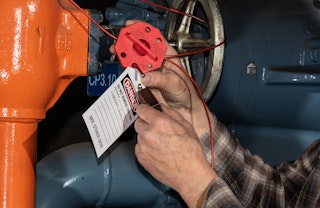
Give maintenance workers a clear six-step lockout/tagout routine, from identifying hazardous energy to verifying isolation before any work begins.


Made in the U.S.A.
© Copyright 2026