
Protect your team through clear Hearing Protection: Noise Safety and Loss Prevention instruction on hazardous work environment noise sources.

The Hearing Protection: Noise Safety and Loss Prevention program builds practical awareness and supports consistent workplace decisions. Key outcomes include the ability to spot types of noise exposure, spot hazardous work environment noise sources, and spot frequent signs of hearing loss. The material also helps learners explain responsibilities for hearing conservation. Practical examples connect the subject to routine tasks, expected procedures, and decisions employees may need to make on the job. Learners finish with a clearer understanding of what to look for, how to respond, and when to raise a concern or seek additional guidance.
Hearing conservation training is required for employees exposed to noise averaging 85 dBA or more over an 8-hour shift, and it must be repeated every year. It also benefits anyone working near loud machinery, power tools, compressors, vehicles or impact noise in manufacturing, construction and general industry.
OSHA's occupational noise exposure standard for general industry is 29 CFR 1910.95. It sets a permissible exposure limit of 90 dBA as an 8-hour average and requires a hearing conservation program, including monitoring, audiometric testing, hearing protectors and training, at 85 dBA. Construction noise falls under 29 CFR 1926.52.
Early signs of noise-induced hearing loss include ringing or buzzing in the ears, muffled hearing after a noisy shift, trouble following conversations in background noise, and needing the TV louder than others do. Noise-induced hearing loss is permanent, so preventing exposure matters more than noticing symptoms.
Earplugs fit inside the ear canal and work well in hot conditions or alongside other PPE, but they must be inserted correctly to protect. Earmuffs seal around the outside of the ear and are easy to put on and check. For very loud work, earplugs and earmuffs are sometimes worn together.
Under 29 CFR 1910.95, employers must monitor noise, provide hearing protectors at no cost, offer annual audiometric testing and train exposed workers. Employees are expected to wear protection correctly whenever required, report hearing changes or damaged protectors, and take part in testing. This 11-minute course offers Spanish, French and other closed captions.
Schedule a demo with one of our reps
Our extensive Learning Management System allows you to dispatch knowledge and required certificates to teams across your site portfolio.
Our platform caters to all learning styles and scenarios, ensuring effective knowledge retention.
Take control of the learning experience with our configurable class structure. Tailor the training journey to match your organizational needs.
Deliver targeted safety training regimens at every level, putting safety directly into the hands of your workforce.


Deliver more than 400 online safety courses as well as your own training with the SafetyAmp learning management system.
Easily enroll employees into training courses, whether they're in a classroom or taken online - then visualize training history and compliance across multiple locations.
SCORM-compatible
Library of 400+ courses from partner training providers
Create online training courses
Quickly view employee training history
Schedule classroom training sessions
Manage training renewals
Eliminate lost certificates
Built-in reports for training compliance

Other Courses

Build confidence for critical moments through clear Hot Work Safety: Welding, Cutting, and Brazing instruction on frequent hazards associated with welding, cutting, and brazing.

Make workplace requirements clearer. Get a practical overview of spaces using OSHA’s three-pillar criteria for bodily entry in Confined Spaces: Acceptable Entry Conditions.
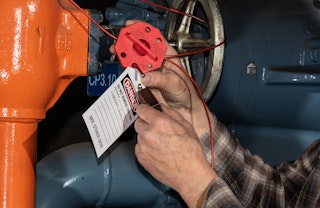
Give maintenance workers a clear six-step lockout/tagout routine, from identifying hazardous energy to verifying isolation before any work begins.


Made in the U.S.A.
© Copyright 2026