
Reduce workplace risk through clear Hazard Communication instruction on key risks, responsibilities, and recommended workplace practices.
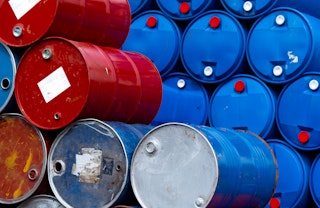
Focused on real-world application, Hazard Communication: Container Labeling, Transportation, and Storage turns core concepts into clear actions learners can use at work. Key outcomes include the ability to describe the reason and essential concepts of hazard communication: container labeling, transportation, and storage, spot common risks and responsibilities related to hazard communication: container labeling, transportation, and storage, and use the training guidance during routine work. The material also helps learners respond appropriately when questions or unsafe conditions arise. Practical examples connect the subject to routine tasks, expected procedures, and decisions employees may need to make on the job. Learners finish with a clearer understanding of what to look for, how to respond, and when to raise a concern or seek additional guidance.
The shipper is legally responsible for properly identifying the chemical, packaging it safely, and applying GHS hazard labels to immediate packages. The carrier is responsible for verifying the paperwork, ensuring the load is secure, and displaying correct warning placards on the transport vehicle.
A generic "DANGEROUS" placard may be used for non-bulk packages carrying two or more Table 2 hazard categories, provided the total weight of one category loaded at a single facility is under 2,205 pounds. It can never be used if the vehicle contains highly sensitive materials like Class 1 explosives, Class 2.3 toxic gases, or Class 7 radioactive substances.
Per OSHA standards, a single storage cabinet may hold a maximum of 60 gallons of Category 1, 2, or 3 flammable liquids, or up to 120 gallons of Category 4 flammable liquids. The cabinets need to remain securely closed and latched when not in use.
Because LPG is stored under high pressure, OSHA requires outdoor placement at precise setback distances from building structures, property lines, and sidewalks based on total tank volume to minimize explosion impacts. They need to also maintain strict separation distances from other flammable liquid storage zones.
Learners are taught that when an on-site facility system contains 10,000 pounds or more of anhydrous ammonia, additional regulatory thresholds and strict OSHA Process Safety Management (PSM) protocols kick in due to its severe corrosive and inhalation hazards.
Schedule a demo with one of our reps
Our extensive Learning Management System allows you to dispatch knowledge and required certificates to teams across your site portfolio.
Our platform caters to all learning styles and scenarios, ensuring effective knowledge retention.
Take control of the learning experience with our configurable class structure. Tailor the training journey to match your organizational needs.
Deliver targeted safety training regimens at every level, putting safety directly into the hands of your workforce.


Deliver more than 400 online safety courses as well as your own training with the SafetyAmp learning management system.
Easily enroll employees into training courses, whether they're in a classroom or taken online - then visualize training history and compliance across multiple locations.
SCORM-compatible
Library of 400+ courses from partner training providers
Create online training courses
Quickly view employee training history
Schedule classroom training sessions
Manage training renewals
Eliminate lost certificates
Built-in reports for training compliance

Other Courses

Protect your team through clear Abrasive Wheels Grinder Safety (Gory) instruction on how to remain safe with this gory yet impactful story.

Boost focus and productivity through clear Absenteeism and Tardiness instruction on Address absenteeism and tardiness.

Combat workplace bullying effectively with AB2053 training—California's legal requirement for a bully-free workplace.


Made in the U.S.A.
© Copyright 2026