
Protect your team. Get a practical overview of hand hazards, injury prevention, and safer work practices in Hand Safety: General Safe Work Practices.

Workers can use Hand Safety: General Safe Work Practices to strengthen the knowledge and judgment needed on the job. Key outcomes include the ability to spot workplace hazards that pose risks to hand, wrist, and finger safety in situations covered by Hand Safety: General Safe Work Practices, show correct techniques for using tools to safeguard hands and wrists, and describe the value of ergonomic practices in promoting hand and wrist safety. The material also helps learners build strategies to prevent hand, wrist, and finger injuries in the work environment. Practical examples connect the subject to routine tasks, expected procedures, and decisions employees may need to make on the job. Learners finish with a clearer understanding of what to look for, how to respond, and when to raise a concern or seek additional guidance.
Hand, wrist, and finger safety is crucial in the workplace to prevent injuries that can affect one's ability to work and lead to long-term discomfort or disability. Proper safety measures can minimize the risk of accidents and promote a healthy work environment.
Typical injuries cover cuts, strains, sprains, fractures, and repetitive strain injuries. These may be prevented through the use of appropriate protective gear, ergonomic workstations, regular breaks, and proper training in safe work practices.
In the event of an injury, it's important to seek immediate medical attention. Report the incident to your supervisor and follow company protocols for workplace injuries. Prompt medical care can prevent complications and promote faster recovery.
Regular stretching and strengthening exercises, ergonomic adjustments to workstations, and using proper techniques for lifting and handling objects can help maintain hand, wrist, and finger health. Additionally, practicing good overall health habits, including staying hydrated and taking breaks, can also contribute to long-term well-being.
Best practices cover using appropriate tools for tasks, maintaining sharp tools to reduce the force required, avoiding awkward hand positions, and being mindful of repetitive motions. Additionally, using gloves when handling rough or sharp materials and being aware of possible hazards in the environment are important for safety in everyday activities.
Schedule a demo with one of our reps
Our extensive Learning Management System allows you to dispatch knowledge and required certificates to teams across your site portfolio.
Our platform caters to all learning styles and scenarios, ensuring effective knowledge retention.
Take control of the learning experience with our configurable class structure. Tailor the training journey to match your organizational needs.
Deliver targeted safety training regimens at every level, putting safety directly into the hands of your workforce.


Deliver more than 400 online safety courses as well as your own training with the SafetyAmp learning management system.
Easily enroll employees into training courses, whether they're in a classroom or taken online - then visualize training history and compliance across multiple locations.
SCORM-compatible
Library of 400+ courses from partner training providers
Create online training courses
Quickly view employee training history
Schedule classroom training sessions
Manage training renewals
Eliminate lost certificates
Built-in reports for training compliance

Other Courses
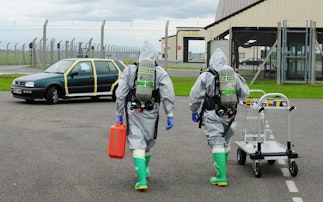
Participate in a chemical exposure disaster exercise. Learn preparedness and response measures for chemical emergencies.
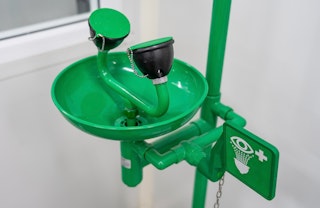
This course explains compliance regulations for emergency safety equipment and when/why it’s required in the workplace.

This course introduces chemical hazard safety, awareness, preparedness, and safe handling in the workplace.


Made in the U.S.A.
© Copyright 2026