
Show medical staff and military responders how a chemical disaster drill unfolds, from setting hot, warm and cold zones to mass decontamination and triage.
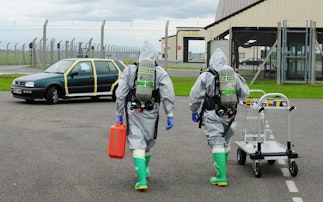
This comprehensive emergency response training prepares hazmat teams, first responders, and safety coordinators to effectively manage chemical exposure disasters. The program simulates realistic chemical emergency scenarios where participants learn to test and improve their response capabilities through hands-on disaster exercises. Participants will develop critical skills in coordinating multi-agency responses, establishing decontamination zones and procedures, and selecting and using appropriate protective equipment during chemical incidents. The training covers threat assessment protocols, communication systems during emergencies, and accountability procedures for tracking responders and affected individuals throughout the disaster event. Topics include identifying chemical exposure hazards, implementing proper decontamination protocols, coordinating between fire departments, hazmat teams, EMS, and law enforcement, setting up incident command structures, protecting responders through proper PPE selection, and conducting post-incident evaluations. This exercise-based training ensures emergency teams are prepared to respond safely and effectively when chemical disasters occur in their communities.
Chemical exposure disaster exercise training is aimed at hospital emergency staff, medical responders and military personnel who may receive contaminated patients. Emergency managers, fire and hazmat teams, and safety officers planning drills also benefit. The 30-minute video walks through a full-scale exercise and is available in English.
OSHA's HAZWOPER standard, 29 CFR 1910.120(q), covers training for workers who respond to hazardous substance releases. OSHA guidance for hospital first receivers applies those requirements to staff who decontaminate victims. A video supports drill planning and awareness but does not replace the hands-on HAZWOPER training those roles require.
In a chemical incident, the hot zone is the contaminated area where the release occurred. The warm zone is where decontamination takes place, and the cold zone is the clean area for medical care, staging and command. Separating the zones keeps contamination from spreading to responders and hospitals.
Mass decontamination after a chemical exposure starts with removing contaminated clothing, which removes much of the contamination. Victims then pass through a high-volume, low-pressure water shower, often in a tent or corridor. Staff in protective gear assist people who cannot walk. Patients then move to the clean zone for evaluation.
Chemical exposure disaster exercises reveal gaps before a real event. They test coordination among hospitals, fire, EMS and emergency management, and let staff practice working in hot, tiring protective gear. Exercises also check triage flow, communications and decontamination setup so plans can be fixed afterward.
Schedule a demo with one of our reps
Our extensive Learning Management System allows you to dispatch knowledge and required certificates to teams across your site portfolio.
Our platform caters to all learning styles and scenarios, ensuring effective knowledge retention.
Take control of the learning experience with our configurable class structure. Tailor the training journey to match your organizational needs.
Deliver targeted safety training regimens at every level, putting safety directly into the hands of your workforce.


Deliver more than 400 online safety courses as well as your own training with the SafetyAmp learning management system.
Easily enroll employees into training courses, whether they're in a classroom or taken online - then visualize training history and compliance across multiple locations.
SCORM-compatible
Library of 400+ courses from partner training providers
Create online training courses
Quickly view employee training history
Schedule classroom training sessions
Manage training renewals
Eliminate lost certificates
Built-in reports for training compliance

Other Courses
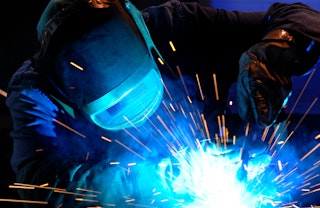
Build confidence for critical moments through clear Hot Work Safety: Welding, Cutting, and Brazing instruction on frequent hazards associated with welding, cutting, and brazing.

Make workplace requirements clearer. Get a practical overview of spaces using OSHA’s three-pillar criteria for bodily entry in Confined Spaces: Acceptable Entry Conditions.
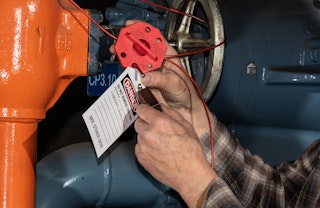
Give maintenance workers a clear six-step lockout/tagout routine, from identifying hazardous energy to verifying isolation before any work begins.


Made in the U.S.A.
© Copyright 2026