
Protect your team with Ground Fault Circuit Interrupter (GFCI) training focused on how GFCIs work, correct use, and electrical shock prevention.

Ground Fault Circuit Interrupter (GFCI) prepares employees to recognize relevant risks, responsibilities, and safe work expectations. Key outcomes include the ability to carry out applicable expectations and recommended practices, describe how ground-fault circuit interrupters work, and spot correct GFCI installation and use. The material also helps learners prevent electrical shock hazards. Practical examples connect the subject to routine tasks, expected procedures, and decisions employees may need to make on the job. Learners finish with a clearer understanding of what to look for, how to respond, and when to raise a concern or seek additional guidance.
GFCI training is for anyone who uses portable power tools, extension cords, or electrical equipment in wet or temporary locations. That includes construction crews, maintenance technicians, electricians, and facilities staff. The 11-minute video, in English, explains insulation, grounding, and how ground-fault circuit interrupters protect workers from shock.
On construction sites, OSHA's 29 CFR 1926.404(b)(1) requires GFCIs on 120-volt, single-phase, 15- and 20-amp temporary receptacle outlets. The alternative is an assured equipment grounding conductor program, which requires daily visual inspection of cords and periodic testing. In general industry, ground-fault protection requirements appear in 29 CFR 1910.304.
A GFCI works by constantly comparing the current flowing out on the hot wire with the current returning on the neutral. A difference of about 5 milliamps means current is leaking through another path, such as a person. The GFCI then cuts power in a fraction of a second.
A standard circuit breaker protects wiring and equipment from overloads and short circuits, tripping at many amps of current. A GFCI protects people, tripping at a few thousandths of an amp of leakage current. A circuit breaker alone won't stop a shock that can kill, which is why GFCIs matter.
GFCI manufacturers generally recommend testing receptacle GFCIs monthly using the built-in test button. Portable GFCIs on job sites should be tested before each use. If a GFCI doesn't trip when tested, or won't reset afterward, take it out of service and have it replaced.
Schedule a demo with one of our reps
Our extensive Learning Management System allows you to dispatch knowledge and required certificates to teams across your site portfolio.
Our platform caters to all learning styles and scenarios, ensuring effective knowledge retention.
Take control of the learning experience with our configurable class structure. Tailor the training journey to match your organizational needs.
Deliver targeted safety training regimens at every level, putting safety directly into the hands of your workforce.


Deliver more than 400 online safety courses as well as your own training with the SafetyAmp learning management system.
Easily enroll employees into training courses, whether they're in a classroom or taken online - then visualize training history and compliance across multiple locations.
SCORM-compatible
Library of 400+ courses from partner training providers
Create online training courses
Quickly view employee training history
Schedule classroom training sessions
Manage training renewals
Eliminate lost certificates
Built-in reports for training compliance

Other Courses

Build confidence for critical moments through clear Hot Work Safety: Welding, Cutting, and Brazing instruction on frequent hazards associated with welding, cutting, and brazing.

Make workplace requirements clearer. Get a practical overview of spaces using OSHA’s three-pillar criteria for bodily entry in Confined Spaces: Acceptable Entry Conditions.
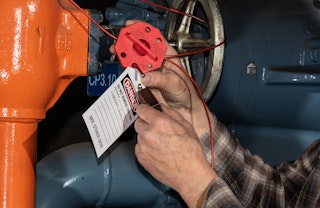
Give maintenance workers a clear six-step lockout/tagout routine, from identifying hazardous energy to verifying isolation before any work begins.


Made in the U.S.A.
© Copyright 2026