
Protect your team with Front End Loader Safety training focused on best practices and precautions for safe operation.

Front End Loader Safety prepares employees to recognize relevant risks, responsibilities, and safe work expectations. Key outcomes include the ability to foster a strong safety culture, inspect and maintain loaders safely, and spot hazards in loader operations. The material also helps learners operate front-end loaders safely. Practical examples connect the subject to routine tasks, expected procedures, and decisions employees may need to make on the job. Learners finish with a clearer understanding of what to look for, how to respond, and when to raise a concern or seek additional guidance.
Front end loader training is for operators of wheel loaders and tractor-mounted loaders in construction, agriculture, landscaping, mining, and material yards. Ground workers near loaders and supervisors who authorize operators also benefit. The 15-minute video, in English, covers ROPS, rollover prevention, maintenance, operation, and travel and trailering.
In construction, front end loaders fall under OSHA's earthmoving equipment rules in 29 CFR 1926.602. Rollover protective structures are covered by 29 CFR 1926.1000. Agricultural tractors used with loaders are covered by the ROPS requirements in 29 CFR 1928.51. Operators should be trained and authorized before running a loader.
Front end loader rollovers usually happen when the bucket is carried too high or the machine turns sharply. Traveling across a slope or too fast is another cause. Soft ground, holes, and embankment edges also contribute. Keeping the bucket low and traveling straight up and down slopes greatly reduces rollover risk.
Yes, operators should always wear the seat belt on a front end loader equipped with ROPS. The rollover protective structure only works if the operator stays inside its protected zone. Without a belt, a loader operator can be thrown out and crushed by the machine or the ROPS itself.
Before operating a front end loader, walk around it to check tires, bucket pins, linkage, and fluid levels. Look for leaks at hydraulic hoses and cylinders. Then test the brakes, steering, lights, horn, backup alarm, and seat belt. Report defects, and don't run the loader until they're repaired.
Schedule a demo with one of our reps
Our extensive Learning Management System allows you to dispatch knowledge and required certificates to teams across your site portfolio.
Our platform caters to all learning styles and scenarios, ensuring effective knowledge retention.
Take control of the learning experience with our configurable class structure. Tailor the training journey to match your organizational needs.
Deliver targeted safety training regimens at every level, putting safety directly into the hands of your workforce.


Deliver more than 400 online safety courses as well as your own training with the SafetyAmp learning management system.
Easily enroll employees into training courses, whether they're in a classroom or taken online - then visualize training history and compliance across multiple locations.
SCORM-compatible
Library of 400+ courses from partner training providers
Create online training courses
Quickly view employee training history
Schedule classroom training sessions
Manage training renewals
Eliminate lost certificates
Built-in reports for training compliance

Other Courses

Build confidence for critical moments through clear Hot Work Safety: Welding, Cutting, and Brazing instruction on frequent hazards associated with welding, cutting, and brazing.

Make workplace requirements clearer. Get a practical overview of spaces using OSHA’s three-pillar criteria for bodily entry in Confined Spaces: Acceptable Entry Conditions.
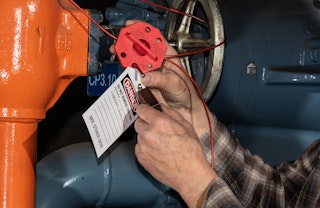
Give maintenance workers a clear six-step lockout/tagout routine, from identifying hazardous energy to verifying isolation before any work begins.


Made in the U.S.A.
© Copyright 2026