
Build confidence for critical moments. Get a practical overview of the major categories of risk and types of first aid in First Aid: Preparation and Response.

Designed for day-to-day use, First Aid: Preparation and Response explains the topic in a clear and actionable way. Key outcomes include the ability to spot the major categories of risk and types of first aid, explain the value of being informed and practicing first aid, and describe how to properly use supplies and equipment involved in first aid. The material also helps learners describe legal considerations involved in emergency care. Practical examples connect the subject to routine tasks, expected procedures, and decisions employees may need to make on the job. Learners finish with a clearer understanding of what to look for, how to respond, and when to raise a concern or seek additional guidance.
First aid preparation and response training suits workplace first aid responders, safety coordinators and supervisors. It also fits any employee who maintains first aid kits or may be first to reach an injured coworker. First aid preparation matters most at sites far from medical facilities, where the first minutes of care fall to coworkers.
OSHA's medical and first aid standard, 29 CFR 1910.151, requires adequate first aid supplies to be readily available. Where workers may be exposed to injurious corrosive materials, 29 CFR 1910.151(c) requires quick-drench or eye-flushing facilities. Those facilities must be within the work area for immediate emergency use. Construction follows 29 CFR 1926.50.
A workplace first aid kit should hold supplies matched to likely injuries. Typical items include adhesive bandages, sterile gauze pads, roller bandages, tape, exam gloves, antiseptic, burn dressings, an eye covering and a CPR barrier. ANSI/ISEA Z308.1 sets common minimum contents, and first aid kits should be checked and restocked regularly.
Good Samaritan laws in every state offer some protection to people who give reasonable emergency care in good faith. The details vary by state. Workplace responders acting within job duties may be treated differently. First aid responders should ask for consent when possible, stay within their training, and not abandon a victim.
If no first aid kit is available, improvise with clean materials. Press a cloth on bleeding wounds and use a rolled magazine or board as a splint. A plastic bag can serve as a glove barrier. Call for emergency help early. The 41-minute first aid video is available in English, Spanish and French.
Schedule a demo with one of our reps
Our extensive Learning Management System allows you to dispatch knowledge and required certificates to teams across your site portfolio.
Our platform caters to all learning styles and scenarios, ensuring effective knowledge retention.
Take control of the learning experience with our configurable class structure. Tailor the training journey to match your organizational needs.
Deliver targeted safety training regimens at every level, putting safety directly into the hands of your workforce.


Deliver more than 400 online safety courses as well as your own training with the SafetyAmp learning management system.
Easily enroll employees into training courses, whether they're in a classroom or taken online - then visualize training history and compliance across multiple locations.
SCORM-compatible
Library of 400+ courses from partner training providers
Create online training courses
Quickly view employee training history
Schedule classroom training sessions
Manage training renewals
Eliminate lost certificates
Built-in reports for training compliance

Other Courses

Build confidence for critical moments through clear Hot Work Safety: Welding, Cutting, and Brazing instruction on frequent hazards associated with welding, cutting, and brazing.

Make workplace requirements clearer. Get a practical overview of spaces using OSHA’s three-pillar criteria for bodily entry in Confined Spaces: Acceptable Entry Conditions.
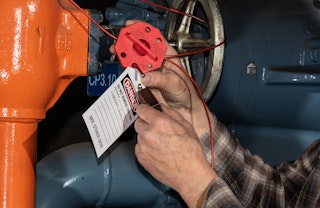
Give maintenance workers a clear six-step lockout/tagout routine, from identifying hazardous energy to verifying isolation before any work begins.


Made in the U.S.A.
© Copyright 2026