
Build confidence for better decisions through clear Fire Extinguishers: Putting Out The Fire instruction on the basic principles of fire and how it spreads.
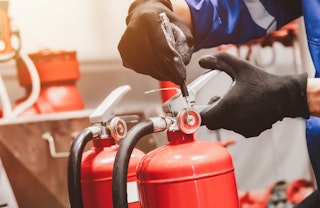
The Fire Extinguishers: Putting Out The Fire program builds practical awareness and supports consistent workplace decisions. Key outcomes include the ability to spot the basic principles of fire and how it spreads, summarize different types of fire extinguishers and their appropriate uses, and describe discuss correct fire extinguisher operation using the P.A.S.S. method. The material also helps learners summarize best practices for fire risk reduction in the work environment. Practical examples connect the subject to routine tasks, expected procedures, and decisions employees may need to make on the job. Learners finish with a clearer understanding of what to look for, how to respond, and when to raise a concern or seek additional guidance.
Fire extinguisher training is required when an employer provides portable extinguishers for employees to use. OSHA requires that training when workers are first hired and at least once a year after that. Even where staff are told to evacuate instead, basic training helps them recognize fire hazards and know when not to fight a fire.
OSHA's portable fire extinguisher standard is 29 CFR 1910.157. It covers extinguisher selection, placement, inspection, maintenance, hydrostatic testing and employee training. Employers must mount extinguishers where they are easy to reach and choose types suited to the hazards present, such as flammable liquids or energized electrical equipment.
Under OSHA 29 CFR 1910.157, portable fire extinguishers must be visually inspected monthly and receive maintenance at least once a year. Hydrostatic tests are due every 5 or 12 years, depending on the extinguisher type. Annual maintenance records must be kept for one year after the last entry or the life of the shell, whichever is less.
PASS stands for Pull, Aim, Squeeze and Sweep. Pull the pin, aim the nozzle at the base of the fire, squeeze the handle and sweep from side to side until the fire is out. Keep an exit behind you, and leave immediately if the fire grows or the extinguisher runs empty.
No, you should never put out a grease fire with water. Water makes burning grease splatter and spread the flames. Use a Class K extinguisher, designed for cooking oils and fats, in commercial kitchens. For other flammable liquid fires, use a Class B or multipurpose ABC extinguisher and confirm the label matches the fire.
Schedule a demo with one of our reps
Our extensive Learning Management System allows you to dispatch knowledge and required certificates to teams across your site portfolio.
Our platform caters to all learning styles and scenarios, ensuring effective knowledge retention.
Take control of the learning experience with our configurable class structure. Tailor the training journey to match your organizational needs.
Deliver targeted safety training regimens at every level, putting safety directly into the hands of your workforce.


Deliver more than 400 online safety courses as well as your own training with the SafetyAmp learning management system.
Easily enroll employees into training courses, whether they're in a classroom or taken online - then visualize training history and compliance across multiple locations.
SCORM-compatible
Library of 400+ courses from partner training providers
Create online training courses
Quickly view employee training history
Schedule classroom training sessions
Manage training renewals
Eliminate lost certificates
Built-in reports for training compliance

Other Courses

Build confidence for critical moments through clear Hot Work Safety: Welding, Cutting, and Brazing instruction on frequent hazards associated with welding, cutting, and brazing.

Make workplace requirements clearer. Get a practical overview of spaces using OSHA’s three-pillar criteria for bodily entry in Confined Spaces: Acceptable Entry Conditions.
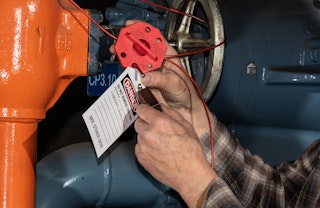
Give maintenance workers a clear six-step lockout/tagout routine, from identifying hazardous energy to verifying isolation before any work begins.


Made in the U.S.A.
© Copyright 2026