
Make workplace requirements clearer. Get a practical overview of the EPA’s 1990 Clean Air Act in Environmental Protection Agency (EPA) 1990 Clean Air Act.

Designed for day-to-day use, Environmental Protection Agency (EPA) 1990 Clean Air Act explains the topic in a clear and actionable way. Key outcomes include the ability to describe overview of EPA’s 1990 Clean Air Act, describe goals: Protect health, environment, and describe regulatory framework, air quality standards. The material also helps learners raise awareness, combat air pollution, promote sustainability. Practical examples connect the subject to routine tasks, expected procedures, and decisions employees may need to make on the job. Learners finish with a clearer understanding of what to look for, how to respond, and when to raise a concern or seek additional guidance.
Clean Air Act training is useful for environmental managers, EHS staff, plant managers, and engineers at facilities that emit air pollutants. Common sources include boilers, coating lines, and solvent use. Permit holders and staff who keep emissions records benefit most. The 22-minute video, in English, explains permits, enforcement, smog, offsets, and acid rain.
Clean Air Act training supports compliance with the federal Clean Air Act, 42 U.S.C. 7401 and following, as amended in 1990. The 1990 amendments created the Title V operating permit program, implemented through 40 CFR Part 70. Major sources must hold one permit listing all their air requirements.
The 1990 Clean Air Act Amendments created Title V operating permits and an acid rain program built on tradable sulfur dioxide allowances. They expanded control of hazardous air pollutants through technology-based standards. They also phased out ozone-depleting chemicals, tightened rules for smog and vehicle emissions, and strengthened EPA enforcement authority.
An emissions offset under the Clean Air Act is a pollution cut at existing sources balancing emissions from a new or expanded major source. In areas that fail to meet air quality standards, permitting generally requires such offsets before construction. The goal is progress toward cleaner air while still allowing industrial growth.
The six criteria air pollutants regulated under the Clean Air Act are ground-level ozone, particulate matter, carbon monoxide, nitrogen dioxide, sulfur dioxide, and lead. EPA sets National Ambient Air Quality Standards for each. Ground-level ozone, the main ingredient of smog, forms from nitrogen oxides and volatile organic compounds.
Schedule a demo with one of our reps
Our extensive Learning Management System allows you to dispatch knowledge and required certificates to teams across your site portfolio.
Our platform caters to all learning styles and scenarios, ensuring effective knowledge retention.
Take control of the learning experience with our configurable class structure. Tailor the training journey to match your organizational needs.
Deliver targeted safety training regimens at every level, putting safety directly into the hands of your workforce.


Deliver more than 400 online safety courses as well as your own training with the SafetyAmp learning management system.
Easily enroll employees into training courses, whether they're in a classroom or taken online - then visualize training history and compliance across multiple locations.
SCORM-compatible
Library of 400+ courses from partner training providers
Create online training courses
Quickly view employee training history
Schedule classroom training sessions
Manage training renewals
Eliminate lost certificates
Built-in reports for training compliance

Other Courses

Build confidence for critical moments through clear Hot Work Safety: Welding, Cutting, and Brazing instruction on frequent hazards associated with welding, cutting, and brazing.

Make workplace requirements clearer. Get a practical overview of spaces using OSHA’s three-pillar criteria for bodily entry in Confined Spaces: Acceptable Entry Conditions.
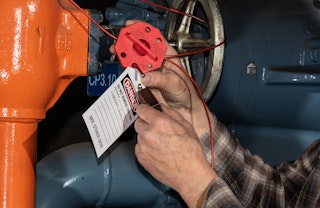
Give maintenance workers a clear six-step lockout/tagout routine, from identifying hazardous energy to verifying isolation before any work begins.


Made in the U.S.A.
© Copyright 2026