
Show supervisors how coaching, fair discipline, clear communication and documented observation keep their teams focused and productive.

Productivity problems often trace back to supervision rather than effort. When supervisors are unclear, inconsistent or hard to reach, employees lose focus and motivation. This course is aimed at frontline supervisors and team leads, along with the managers who coach them. It describes the supervisor as the link between staff and upper management, and as a role model, leader and evaluator. Topics include knowing workplace policies, coaching employees, observing and documenting performance, troubleshooting problems and communicating clearly. The course also stresses flexibility and fairness. It touches on the factors that drive productivity, time management and prioritization, managing distractions, and building a motivated team. A section on discipline rounds out the program before a closing summary. The video runs about 15 minutes in English. It was produced in 2009, so some workplace settings and examples may look dated, but the supervisory principles still apply.
Employee productivity training is most valuable for supervisors, team leads and newly promoted managers. They set priorities, coach staff and handle performance problems every day. Experienced managers who want a refresher on coaching, fair discipline and clear communication can also use it to bring a team's habits back on track.
Supervisors affect employee productivity more directly than almost anyone else in the organization. They connect staff with upper management, model expected behavior, coach and evaluate performance, and solve problems before they spread. A supervisor who is fair, flexible and communicates clearly usually gets more consistent results from the team.
Common causes of low employee productivity include unclear priorities, frequent distractions, poor time management and low motivation. Inconsistent supervision makes each of these worse. Supervisors can help by setting clear expectations, removing obstacles, giving regular feedback and recognizing good work so employees know what matters most.
A supervisor should document employee performance with specific, dated observations of what happened, not opinions or labels. Record both strong work and problems, note any coaching given, and keep the records consistent across all employees. Good documentation supports fair evaluations and gives a clear basis for discipline if it becomes necessary.
Coaching is ongoing guidance that helps an employee improve, while discipline is a formal response when expectations still are not met. Effective supervisors coach first, explaining the goal and offering support. Discipline follows workplace policy, is applied fairly to everyone, and is backed by documented observations of performance.
Schedule a demo with one of our reps
Our extensive Learning Management System allows you to dispatch knowledge and required certificates to teams across your site portfolio.
Our platform caters to all learning styles and scenarios, ensuring effective knowledge retention.
Take control of the learning experience with our configurable class structure. Tailor the training journey to match your organizational needs.
Deliver targeted safety training regimens at every level, putting safety directly into the hands of your workforce.


Deliver more than 400 online safety courses as well as your own training with the SafetyAmp learning management system.
Easily enroll employees into training courses, whether they're in a classroom or taken online - then visualize training history and compliance across multiple locations.
SCORM-compatible
Library of 400+ courses from partner training providers
Create online training courses
Quickly view employee training history
Schedule classroom training sessions
Manage training renewals
Eliminate lost certificates
Built-in reports for training compliance

Other Courses

Build confidence for critical moments through clear Hot Work Safety: Welding, Cutting, and Brazing instruction on frequent hazards associated with welding, cutting, and brazing.

Make workplace requirements clearer. Get a practical overview of spaces using OSHA’s three-pillar criteria for bodily entry in Confined Spaces: Acceptable Entry Conditions.
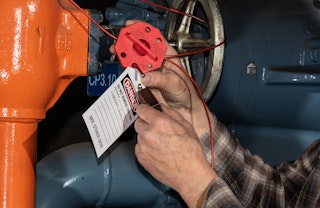
Give maintenance workers a clear six-step lockout/tagout routine, from identifying hazardous energy to verifying isolation before any work begins.


Made in the U.S.A.
© Copyright 2026